On-Site Welding Repair vs. Shop Repair: How to Know Which Option Fits Your Project
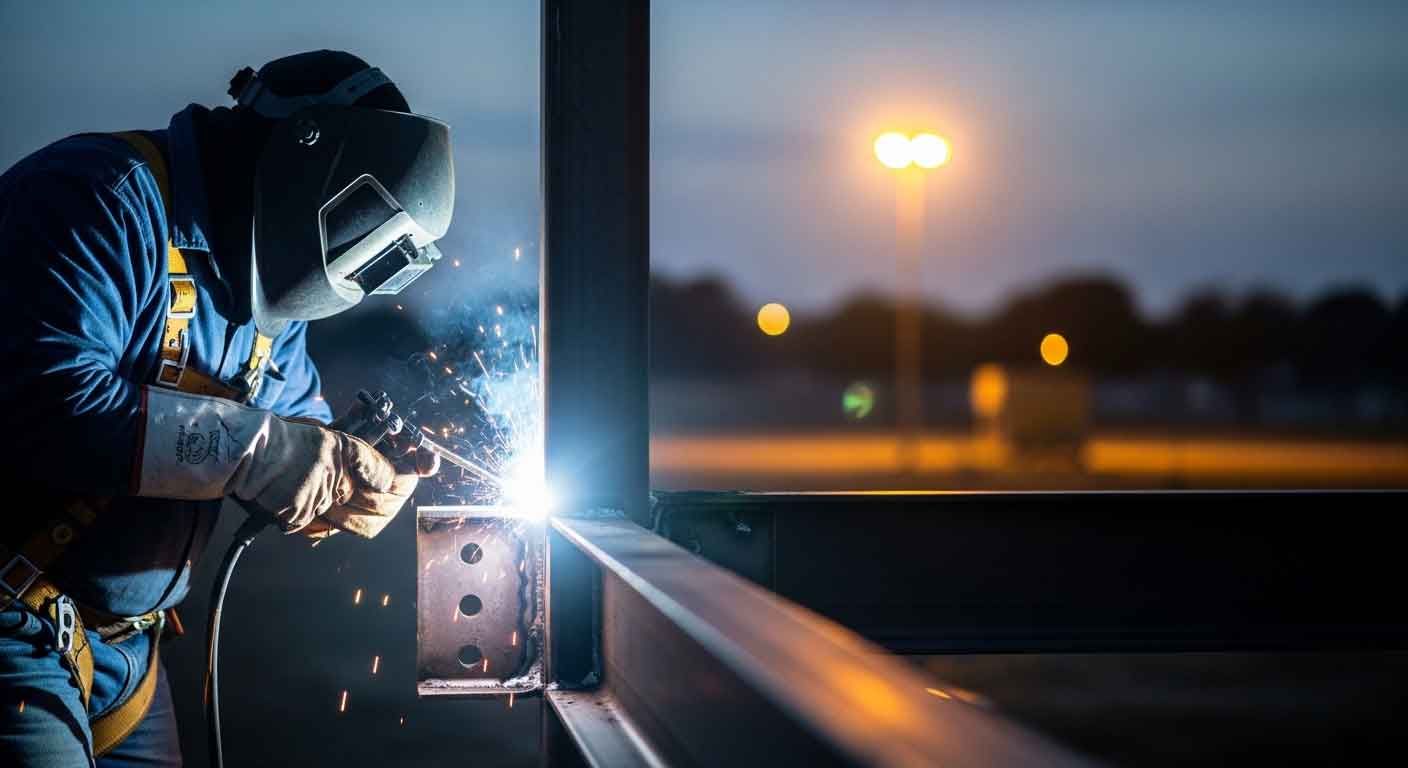
What Determines Where the Work Gets Done
When a metal component fails on a commercial property or an active project site, the first call usually involves two questions: what is broken, and how quickly does it need to be fixed. A third question, which shapes the cost and timeline of everything that follows, is whether the work happens on-site or in the shop.
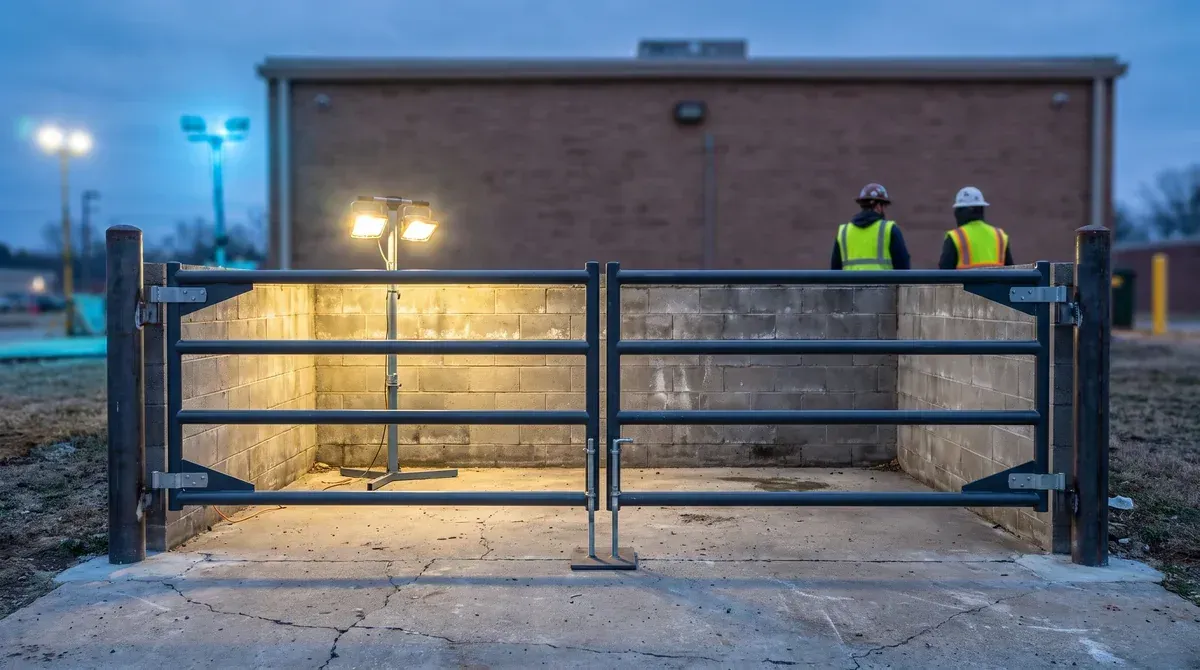
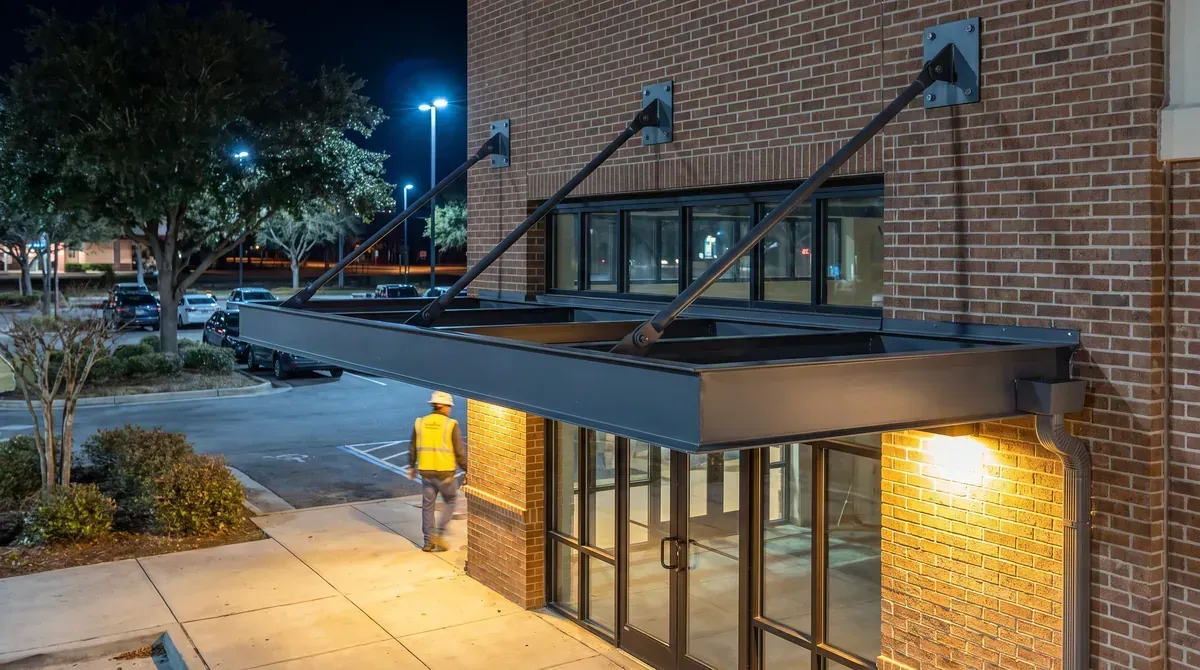
Most commercial welding repair comes down to one practical factor above all others: can the component be moved? Gates, trailers, metal furniture, dumpster enclosure hardware, and smaller fabricated items can often be brought to the shop. Fixed components stay where they are. Welded fence lines, handrails anchored to concrete, structural elements inside a building, and canopies attached to a facade cannot be transported.
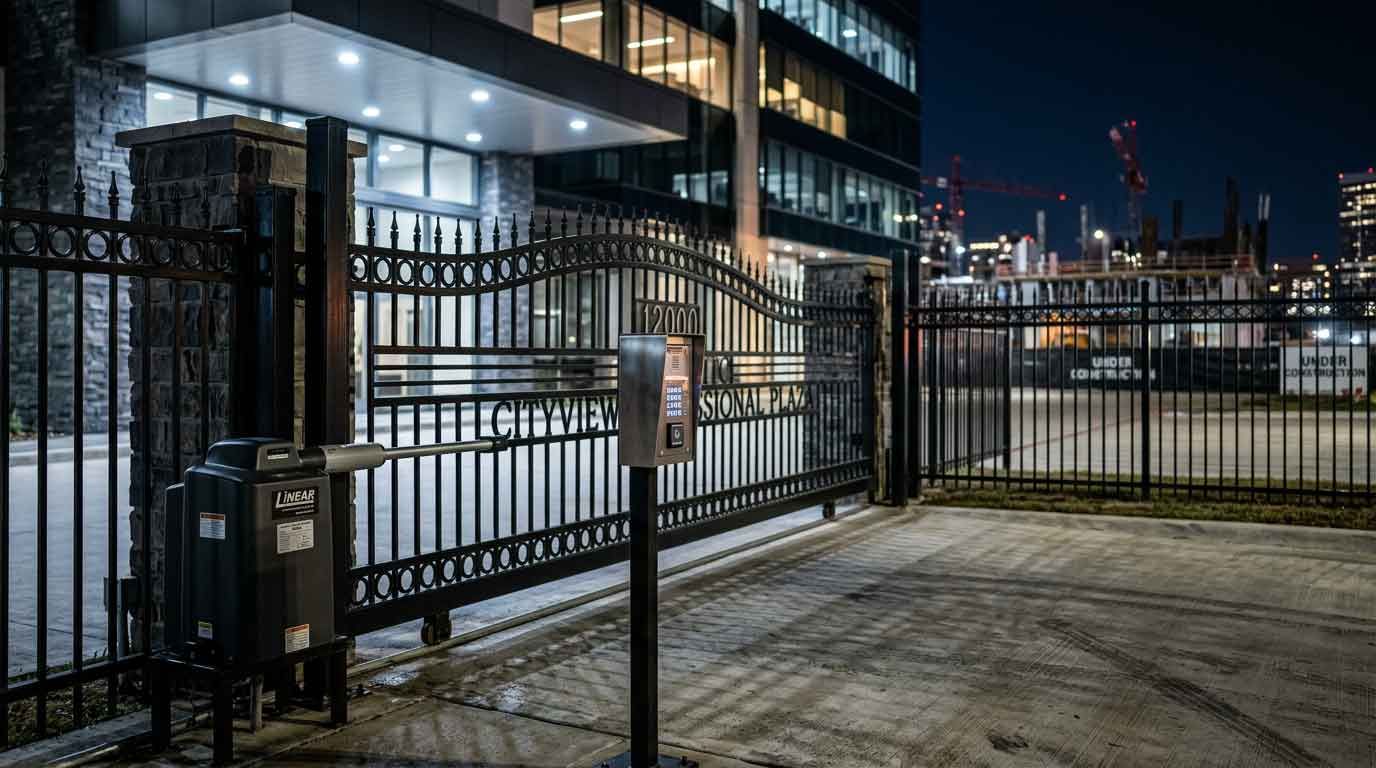
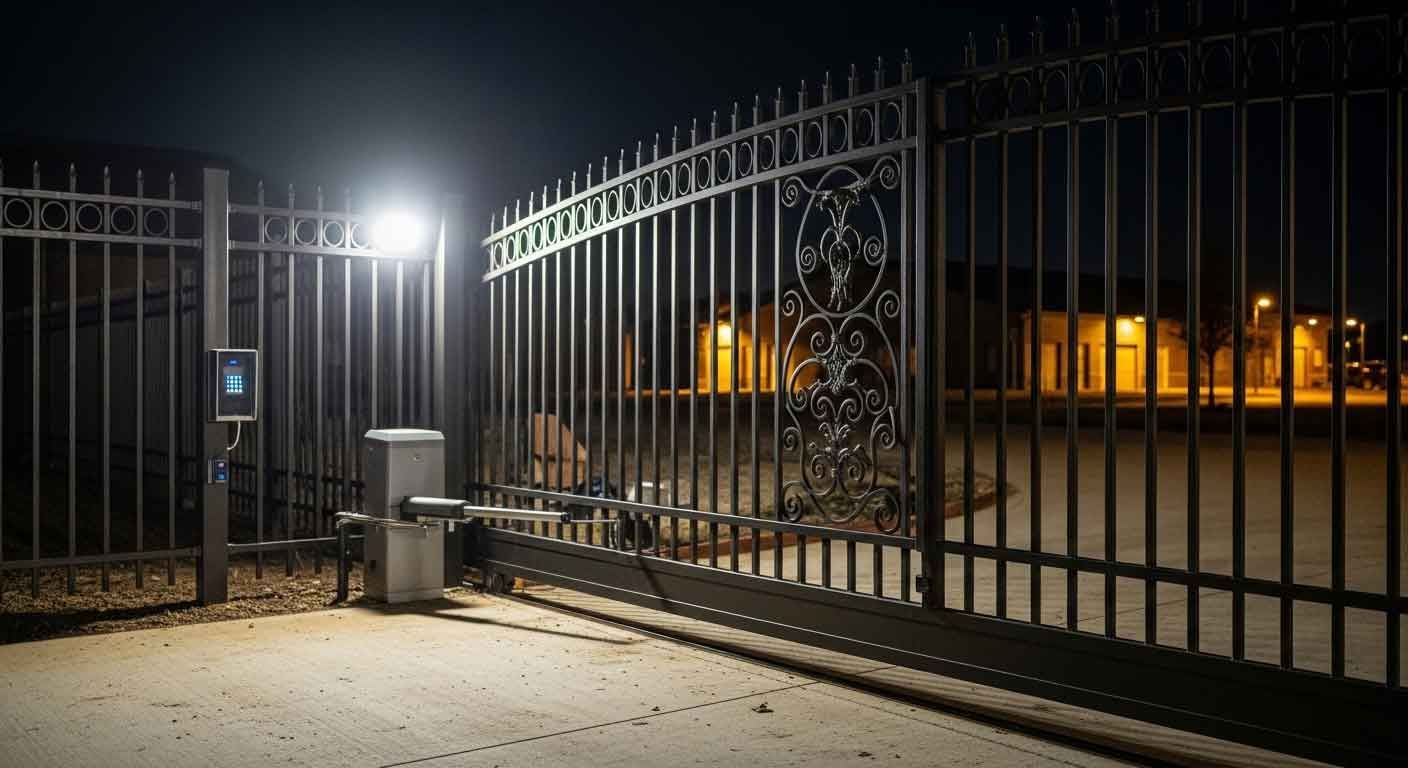
For commercial fencing and gates, the answer often depends on how the piece is attached. A gate that swings or slides can sometimes be removed and transported. A fence panel welded into a post and footing typically cannot. We go through this evaluation on every repair call, and often a short conversation or a quick site visit is enough to settle it.
Beyond mobility, three other factors determine where the work gets done:
- Whether the repair benefits from controlled shop conditions (relevant for cast iron and aluminum)
- Whether the job site provides enough access and safe working conditions for field welding
- Whether the cost of disassembly, transport, and reinstallation exceeds the cost of mobilizing a crew
Cost and Timeline Differences Between Field Work and Shop Work
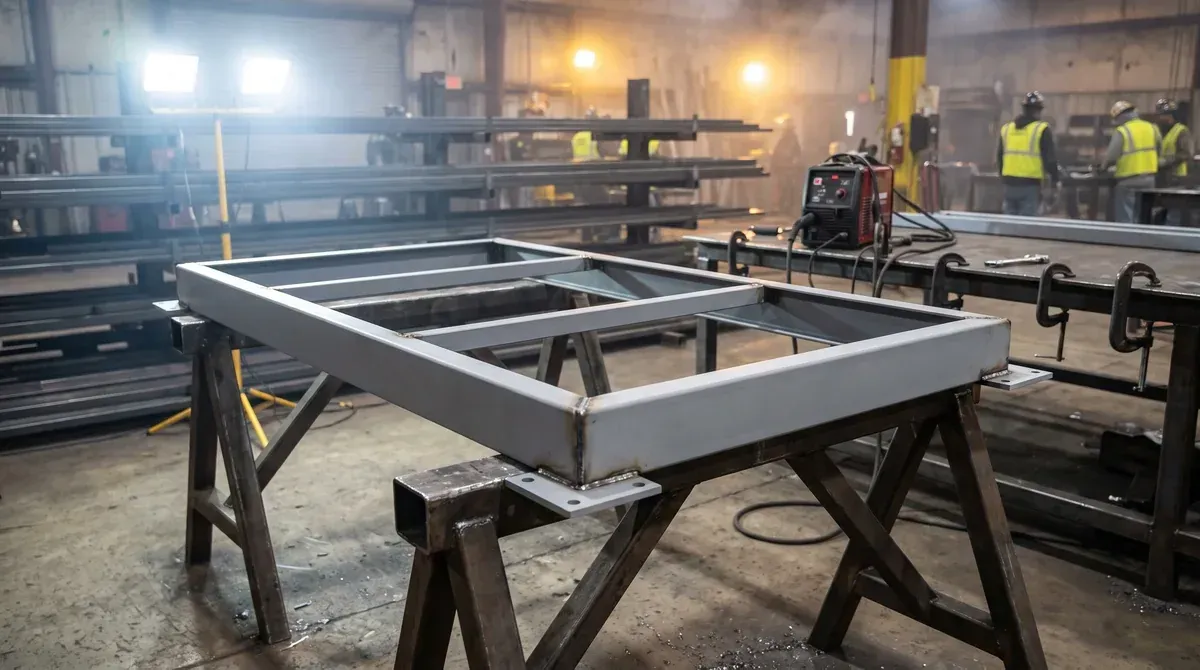
Shop repairs are generally less expensive than on-site work. There is no travel time, no field equipment setup, and the controlled conditions mean the repair itself tends to go faster. For portable items in reasonable condition, the shop is usually the more efficient path.
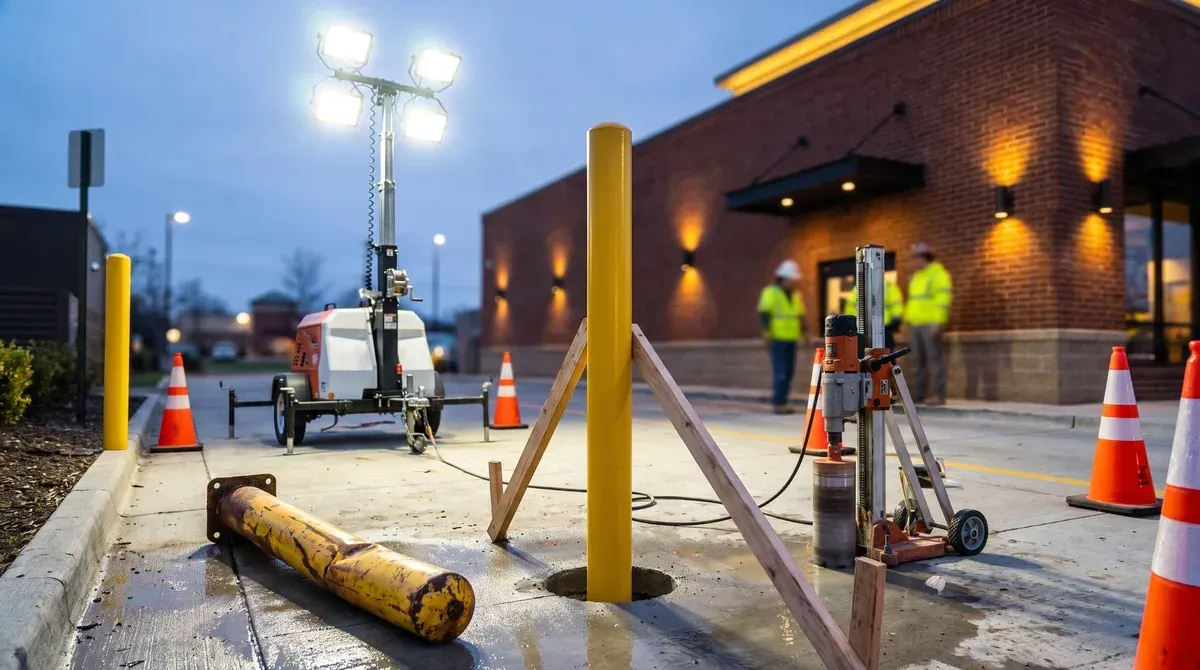
That advantage shifts when the component is difficult to remove. A structural connection, a long fence run, or miscellaneous metal components embedded in a finished surface may cost more in removal and reinstallation labor than on-site welding would cost to begin with. In those cases, field repair is the right call, not the expensive one.
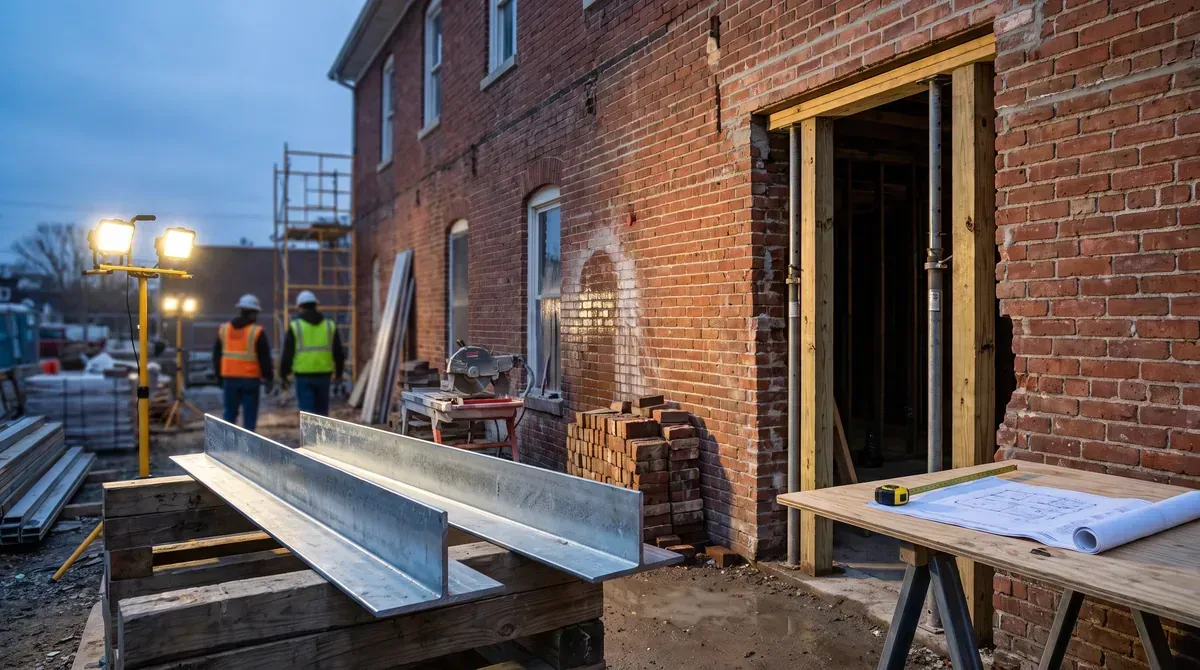
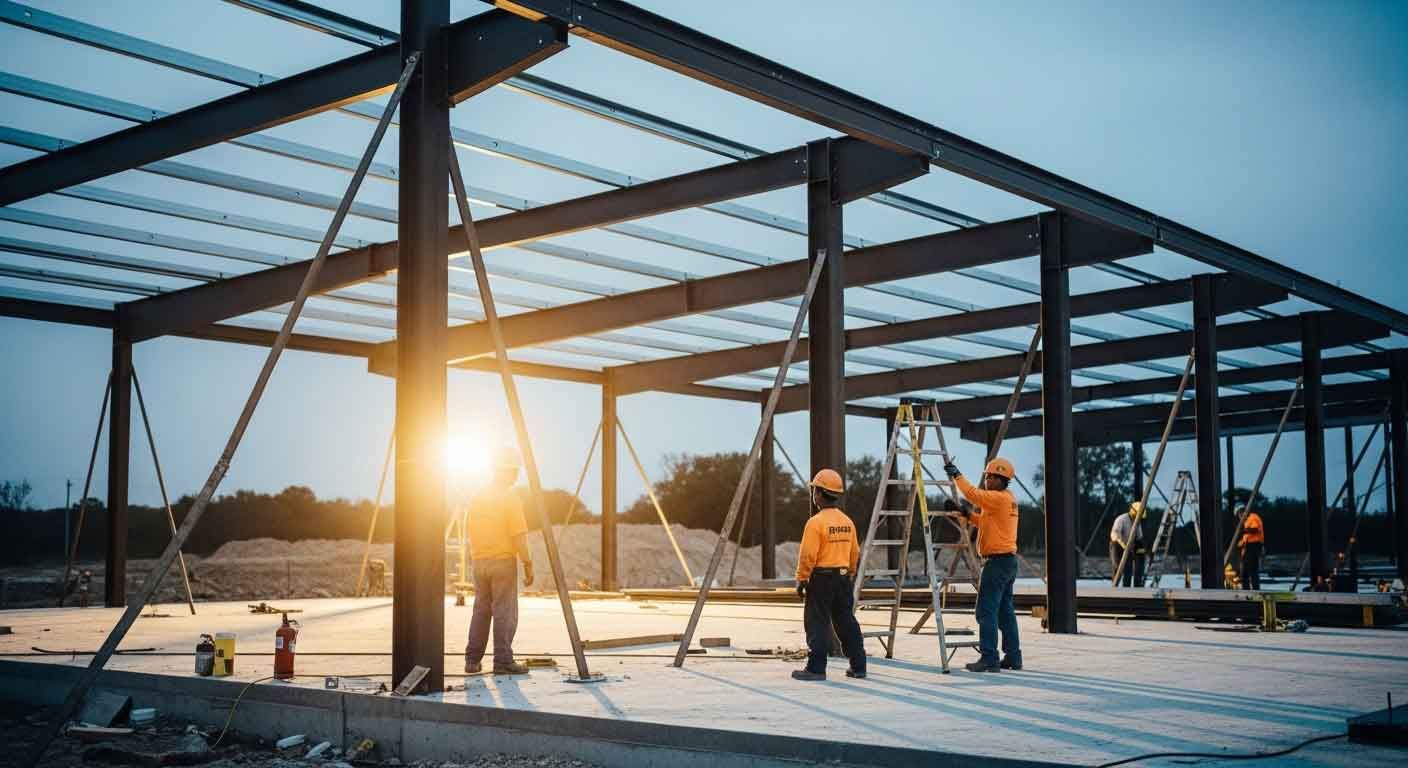
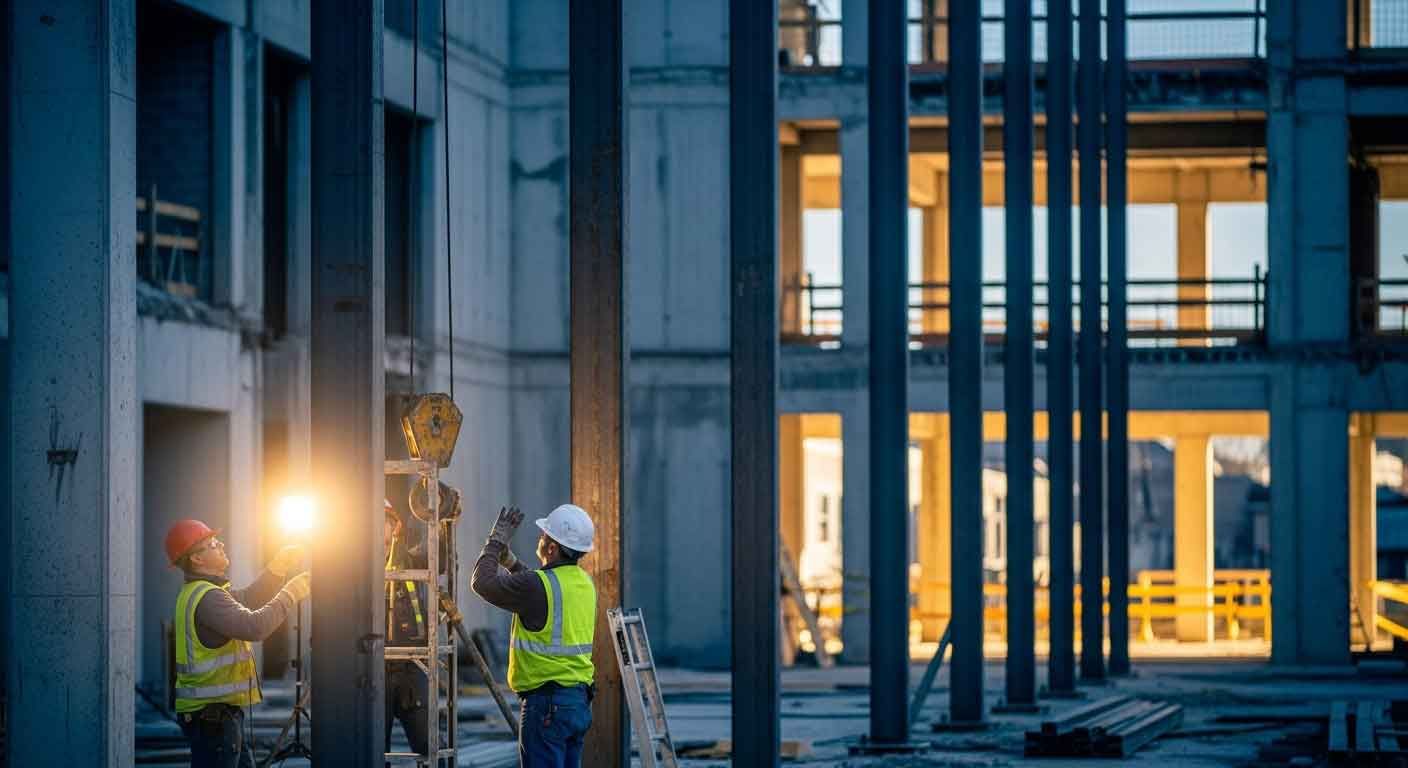
Timeline works differently on active construction projects. When a repair needs to happen before the next trade can proceed, waiting for a component to travel to the shop and return may not fit the schedule. We have handled on-site repairs under active GC coordination where the schedule simply did not allow removal. That is common on tenant build-outs and renovation projects where trades are sequenced tightly.
For commercial property managers dealing with maintenance repair needs, batching helps. Several items that can come to the shop together, rather than scheduling separate site visits for each, typically reduces the overall cost of the work.
Materials That Can and Cannot Be Addressed in the Field
Most metals we work with can be repaired in the field when conditions allow. Our field and shop crews weld the same range of materials:
- Steel
- Cast iron
- Aluminum and cast aluminum
- Stainless steel
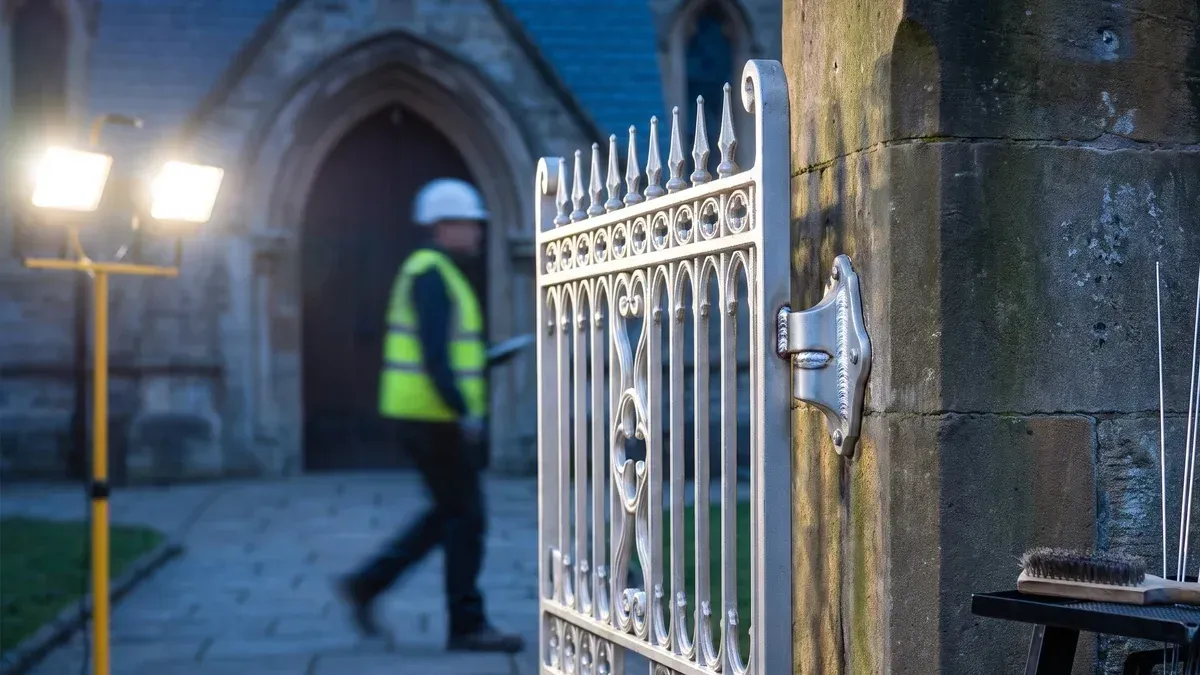
Field conditions affect repair quality on some of these more than others. Cast iron requires careful heat control during welding. Aluminum requires clean material and precise technique. Neither is impossible in the field, but both benefit from shop conditions when the component is portable. Wind, access limitations, and awkward positioning are the field variables that matter most.
Galvanized steel introduces a separate consideration. Welding through galvanized coating generates fumes that require appropriate ventilation and PPE. We account for this on every field repair involving galvanized material. It does not make the work impossible, but it changes the setup requirements.
Planning Repair Scope on Active Projects
General contractors who have welding repair or metalwork corrections in the schedule do better when the scope is clear before mobilization. An unresolved question about whether a repair requires removal, field work, or both creates friction that is easier to avoid by addressing it during the estimate phase. We give detailed written proposals for repair scope so the work and cost are defined before anything is touched.
Property managers dealing with a repair backlog benefit from thinking in categories. Some items can wait for a shop visit. Others require on-site attention. Going through a property with that frame in mind, then scheduling work accordingly, reduces the number of separate service calls over the course of a year.
When the scope is not clear from a description, we prefer to assess before quoting. Some repairs involve enough variables that a site visit is the only way to give an accurate number.
What This Means for Your Next Repair
Choosing between on-site and shop repair is not complicated once the component and job conditions are clear. For portable items, shop work is usually faster and less expensive. For fixed components, active project sites with tight schedules, and repairs where removal costs more than field work, on-site is the practical choice. For everything in between, a short conversation or a site visit resolves it.
A.G. Welding handles commercial welding repair both on-site and in our Houston shop. We have been doing this work for nearly 40 years, and we provide detailed written proposals so scope and cost are defined before work begins.
Contact A.G. Welding to discuss your repair scope by requesting a free estimate or calling us at (713) 988-4200.