Ground-Up vs. Renovation: How the Structural Steel Scope and Sequence Differ
What Changes When a Building Already Exists
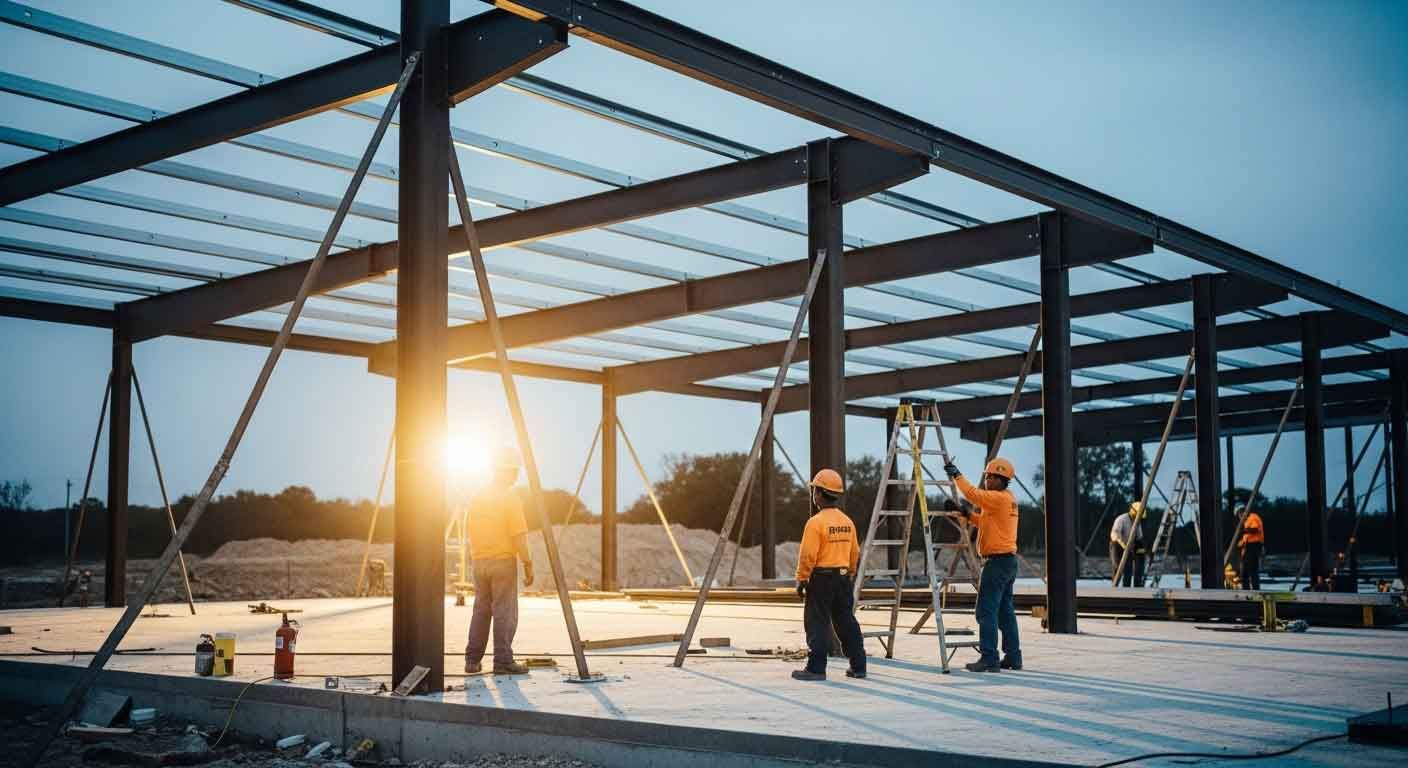
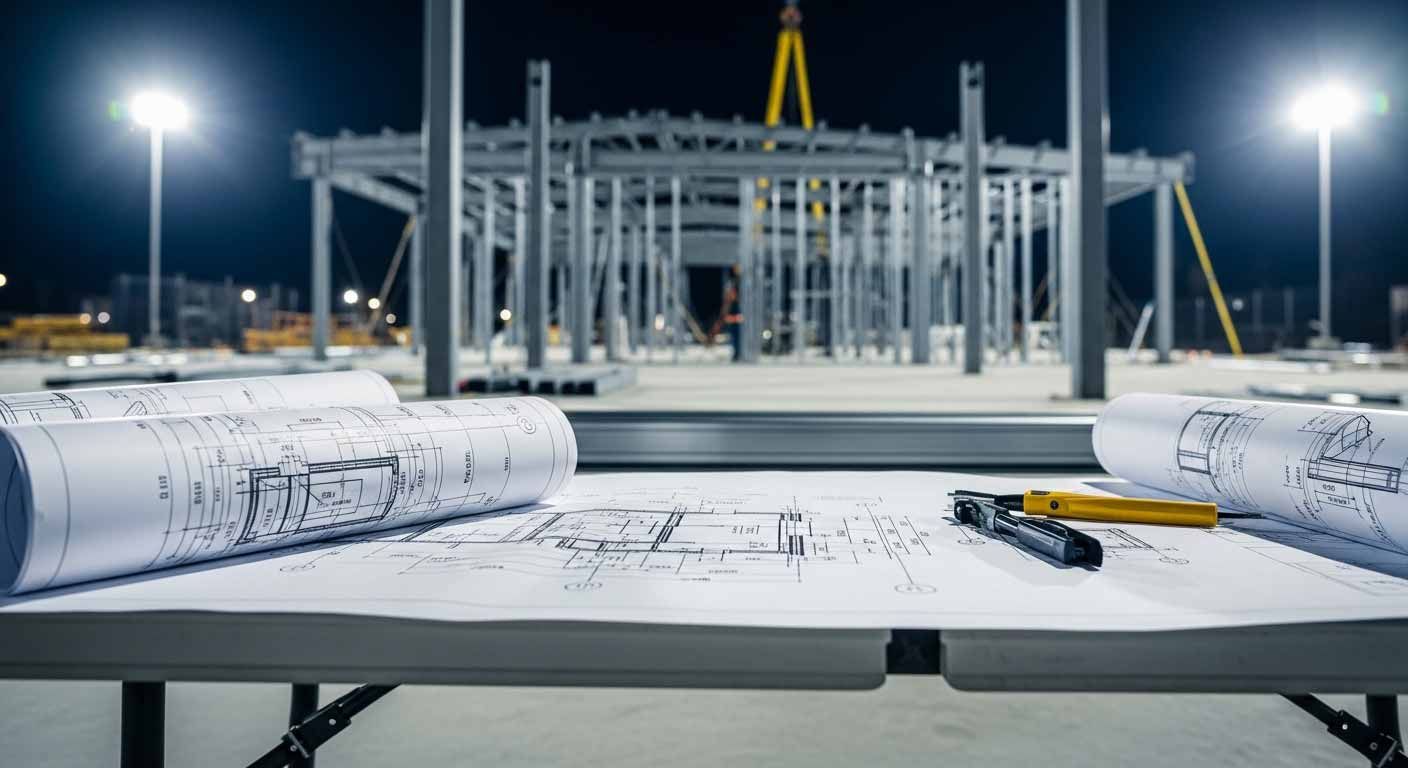
On a ground-up project, the structural steel fabrication scope starts with a blank slate. The drawings show exactly what needs to be built, the site is clear, and the fabrication sequence follows a logical order from columns to beams to deck. Everything is designed to fit together from the start.
Renovation work does not offer that clarity. On a renovation, the structural steel scope is shaped by what is already there. Existing column lines, beam depths, connection types, and load paths all affect what can be added, modified, or removed. Before a single shop drawing is started, someone has to understand the existing structure well enough to know what it can carry and where new steel can be introduced.
This is where a lot of the design and planning time goes on renovation projects. Ground-up fabrication follows the engineer's design. Renovation fabrication often waits on as-built verification, field measurements, and structural analysis of what the existing building can actually support. That verification step is not optional. Getting it wrong creates problems in fabrication that cannot be corrected without significant rework.
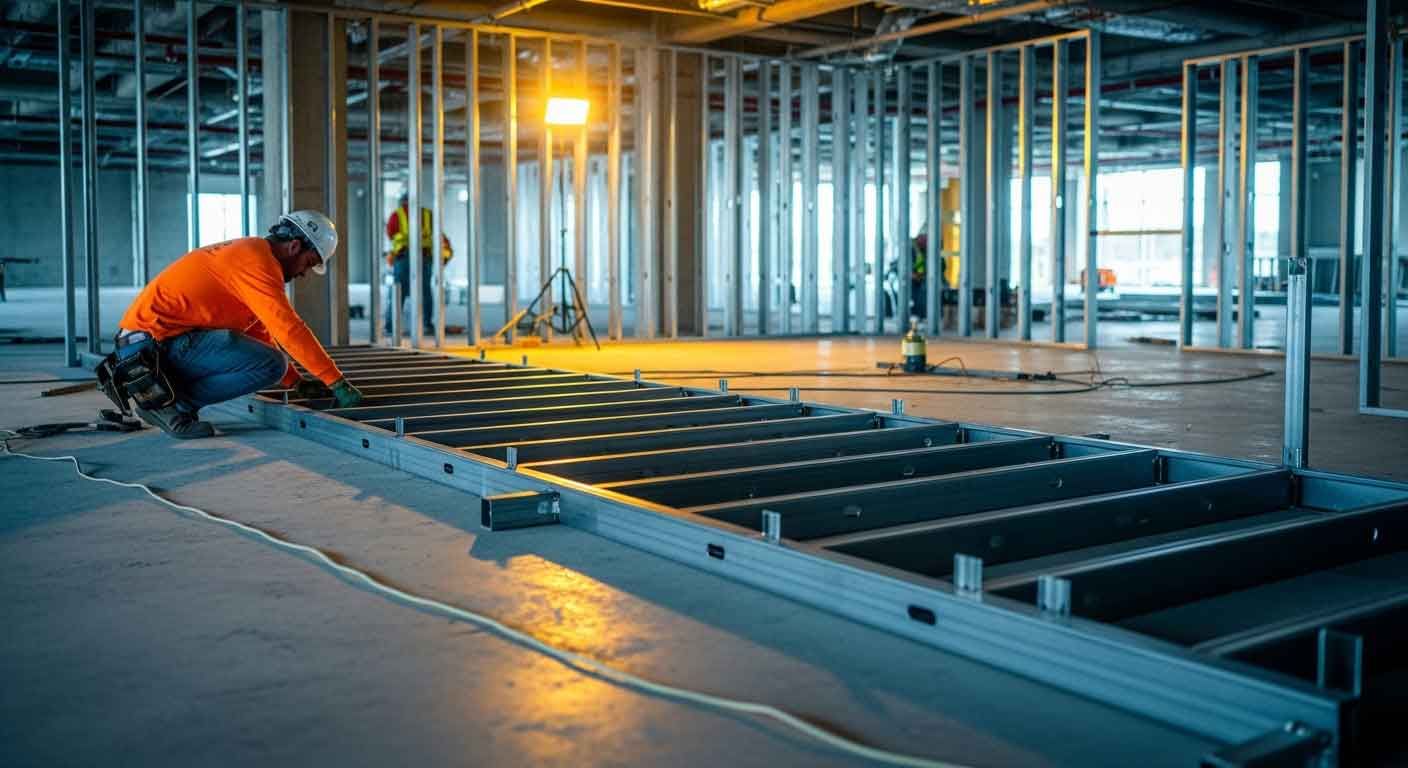
The same dynamic applies to miscellaneous metal work on renovation projects. Handrails, guardrails, and other secondary metalwork have to match or coordinate with existing conditions that were not designed with the new work in mind. Connections that would be straightforward on new construction require field measurement and sometimes custom fabrication to fit what is already in place.
Sequencing Is Where the Two Project Types Diverge Most
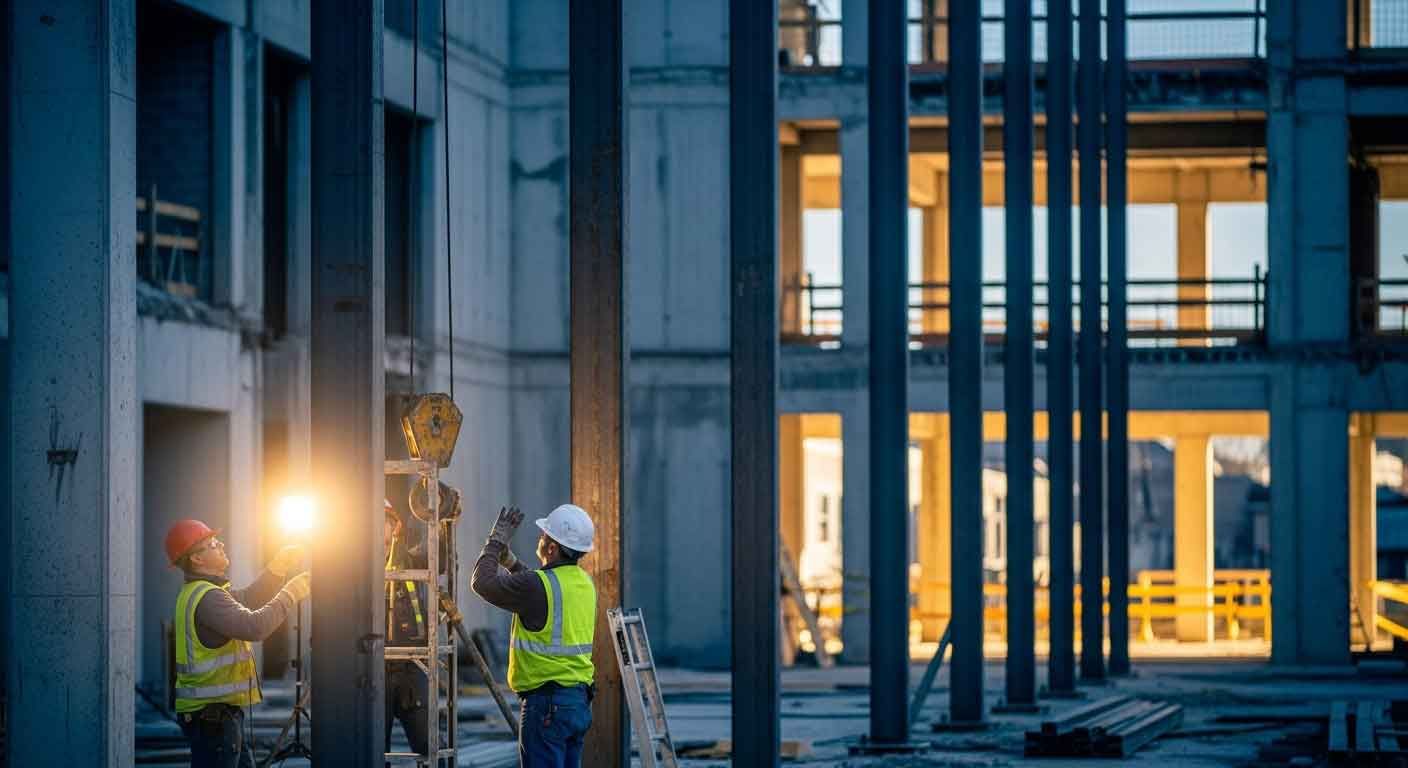
On a ground-up build, structural steel typically starts after utilities and the concrete foundation are in place. The sequence is relatively predictable: columns, beams, decking, and then the structural frame that carries everything else. Crane positioning, laydown areas, and crew access are planned before the site is occupied by other trades.
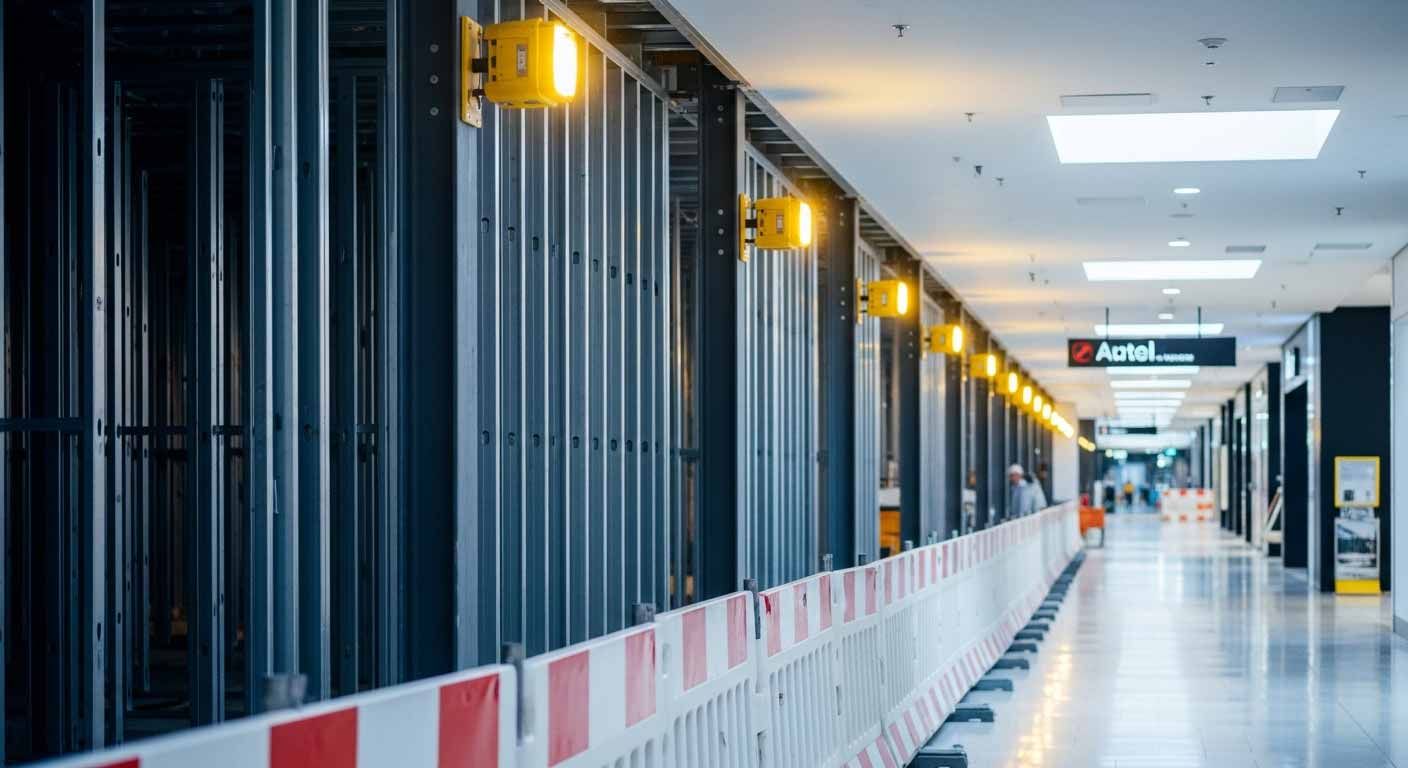
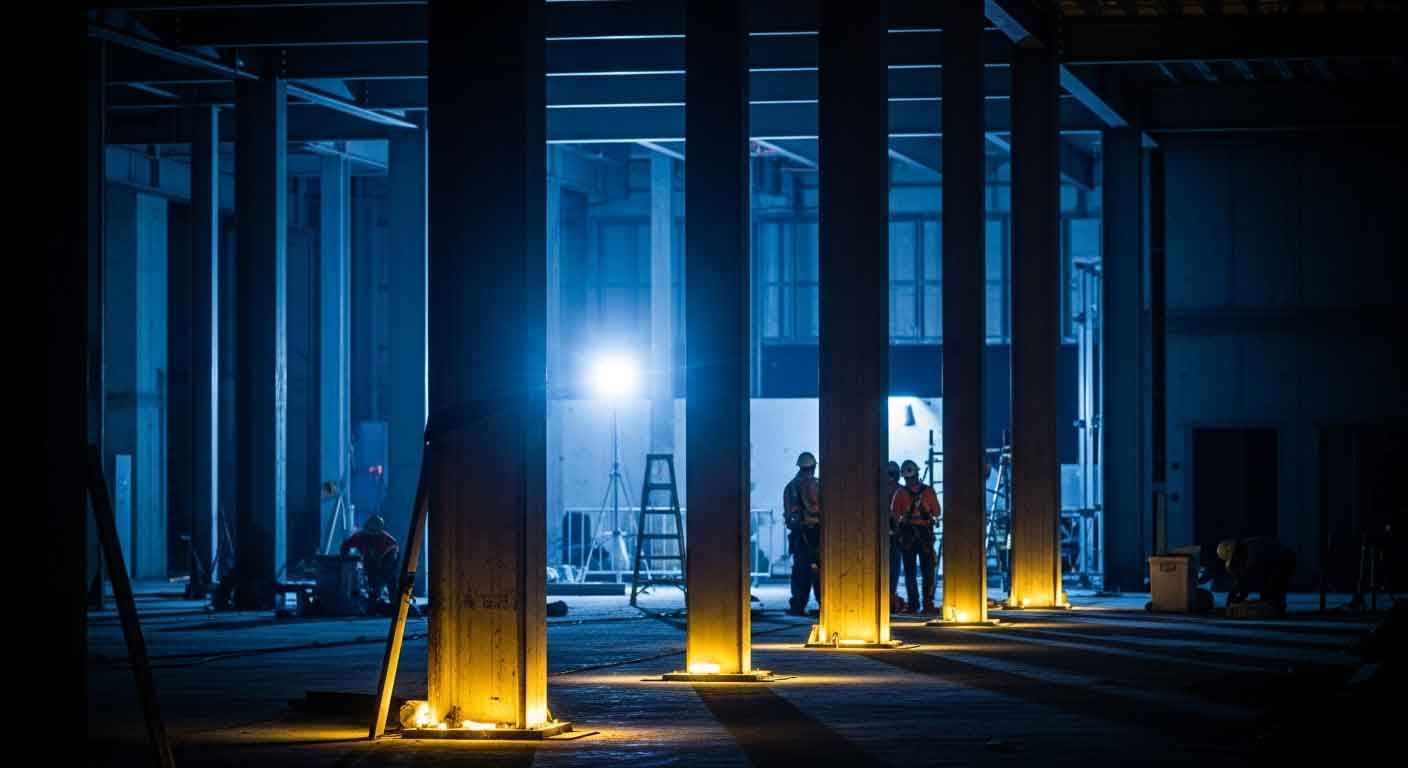
Renovation sequencing does not follow that pattern. In occupied or partially occupied buildings, the steel scope has to work around existing conditions and active operations. A tenant build-out inside an operating mall is the clearest example: crews may only have access during certain hours, staging areas are limited, and any steel lifted into place has to move through existing corridors and openings rather than an open job site.
This changes how fabrication is planned. On a ground-up project, structural members can often be delivered in a sequence that mirrors the erection order and lifted directly into place. On a renovation, members may need to be sized to fit through existing openings, broken into smaller pieces that can be field-welded, or brought in during off-hours when the building is not occupied. That planning happens during shop drawing preparation, not on the day materials are delivered.
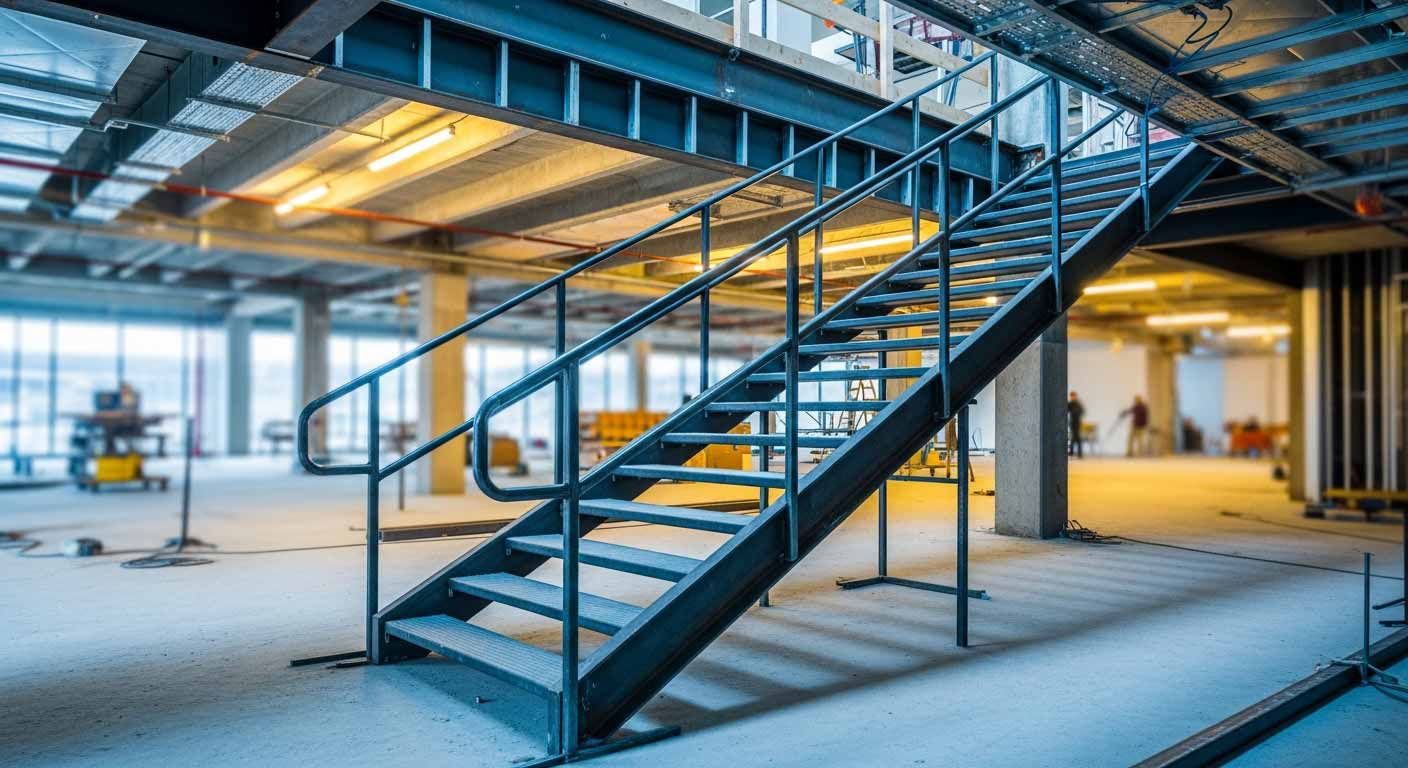
Commercial steel stairs present a similar challenge on renovation work. On a ground-up project, the stair opening, landing dimensions, and structural supports are designed together. On a renovation, the stair has to fit within the existing slab opening, match existing floor-to-floor heights, and connect to a structure that was not originally designed for that specific stair configuration. The fabrication can be custom, but the constraints are set by the building.
Another factor that affects renovation sequencing: field conditions discovered during demolition. Ground-up work proceeds according to the design documents because the site is new. Renovation work sometimes reveals connections, structural members, or conditions that were not visible or documented in the existing drawings. When that happens, shop drawings may need to be revised and fabrication timelines adjusted. GCs who plan for that possibility have a much easier time managing the steel scope when it occurs.
What GCs Should Expect on Their First Renovation Steel Scope
GCs managing a renovation steel scope for the first time often come in expecting the same sequence they know from ground-up work. The main differences worth planning for:
- Existing condition verification takes time and it affects the shop drawing schedule. Budget for it rather than treating it as a given.
- Crane or lifting access requires a pre-mobilization site visit. Renovation sites often have access constraints that are not visible on the drawings.
- Field measurement matters more than it does on new construction. Members fabricated to drawing dimensions without field verification sometimes require rework.
- Commercial welding repair and field welding capabilities matter more on renovation work. Connection conditions in the existing structure sometimes require adjustment that cannot be made in the shop.
- The schedule for renovation steel is often driven by demolition sequencing. The steel contractor cannot always start fabrication until demolition reveals what they are actually connecting to.
We have worked through enough renovation and ground-up projects over the years to know that the GCs who have the smoothest steel scopes are the ones who communicate scope requirements early and plan for the verification steps that renovation work requires. That is not unique to steel, but it matters more on steel than on many other trades because structural steel is often the first major scope to start and the one everything else sequences behind.
How A.G. Welding Approaches Both Project Types
A.G. Welding handles structural steel fabrication and erection on both ground-up and renovation projects across the Houston metropolitan area. Our work spans tenant build-outs, commercial remodels, and new construction up to two stories. On both project types, we provide detailed written proposals that clearly define scope before fabrication begins, and we prepare shop drawings before any steel is cut or ordered.
On renovation work specifically, we start with an honest assessment of what the existing conditions require. If field verification is needed before shop drawings can be completed, we say so upfront. If the scope includes field welding to connect new steel to an existing structure, that is in the proposal.
Contact A.G. Welding to discuss your ground-up or renovation structural steel scope by requesting a free estimate or calling us at (713) 988-4200.