Shop Drawings for Structural Steel: What They Are and Why They Control Your Timeline

A.G. Welding • April 13, 2026

What Shop Drawings Are and How They Fit Into the Fabrication Sequence

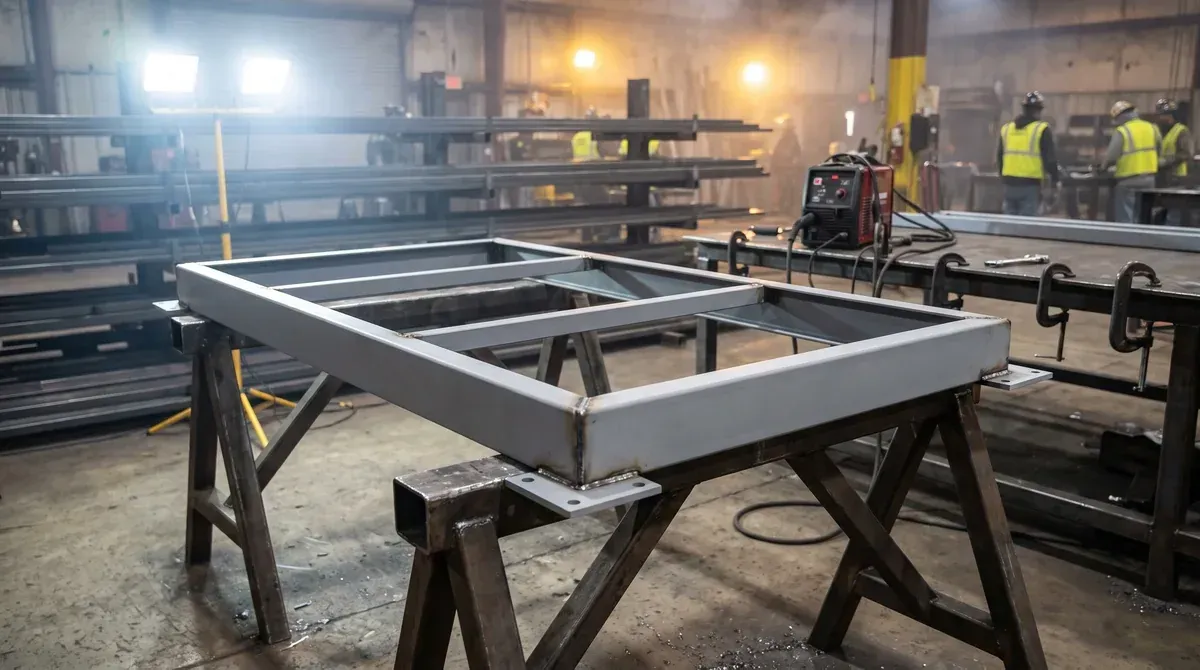
Shop drawings are the bridge between what the engineer of record designed and what gets built in the fabrication shop. An engineer's structural drawings show what the steel needs to do and where it goes. Shop drawings translate that into specific fabrication instructions: exact dimensions, connection details, weld callouts, bolt patterns, material specifications, and any field conditions the design drawings do not fully address.


Nothing gets cut or fabricated until shop drawings are approved. That is not a procedural formality. It is how structural steel fabrication works. The shop drawing approval cycle sits between contract award and the start of fabrication, and it controls how quickly any Structural Steel Services scope can move from paper to the field. Award the steel scope late, and the drawing cycle starts late. Start the drawing cycle late, and fabrication starts late. From there, every trade that follows steel is working against a schedule that is already behind.


Who Prepares Shop Drawings and Who Approves Them

The steel fabricator prepares shop drawings. After contract award, the fabricator's detailer works from the engineer's structural drawings to produce the package. Depending on project size and complexity, that preparation can take one week to several weeks.


Once submitted, the engineer of record reviews the package for conformance with the design intent. The architect may also review drawings that affect architectural elements. The GC coordinates the submittal routing between the fabricator and the design team.


Approval comes back as one of three outcomes: approved, approved as noted, or revise and resubmit. Approved as noted means the fabricator can proceed with minor corrections incorporated. Revise and resubmit sends the package back through the cycle, which adds time. How much time depends on how quickly both sides respond.


Why Delays in Shop Drawing Approval Push Back Fabrication and Erection

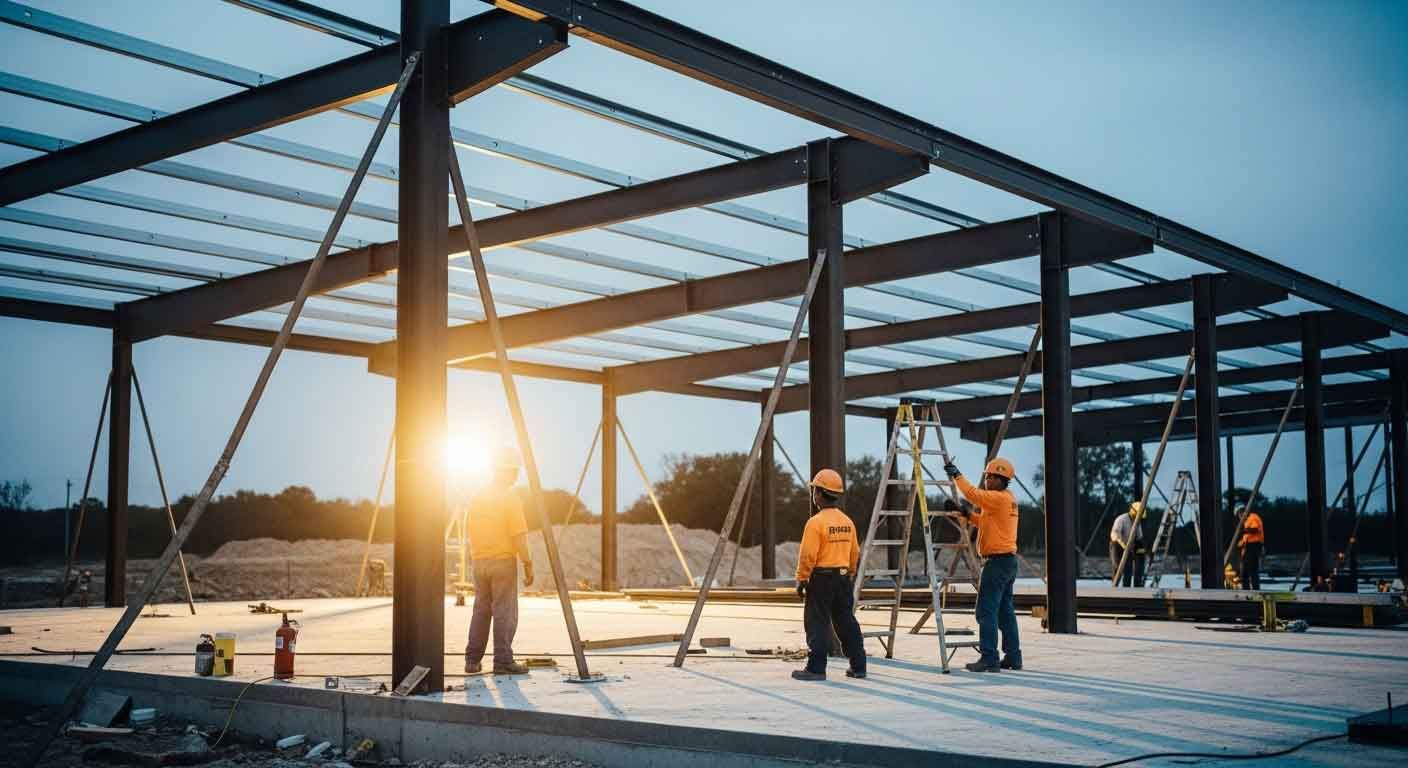
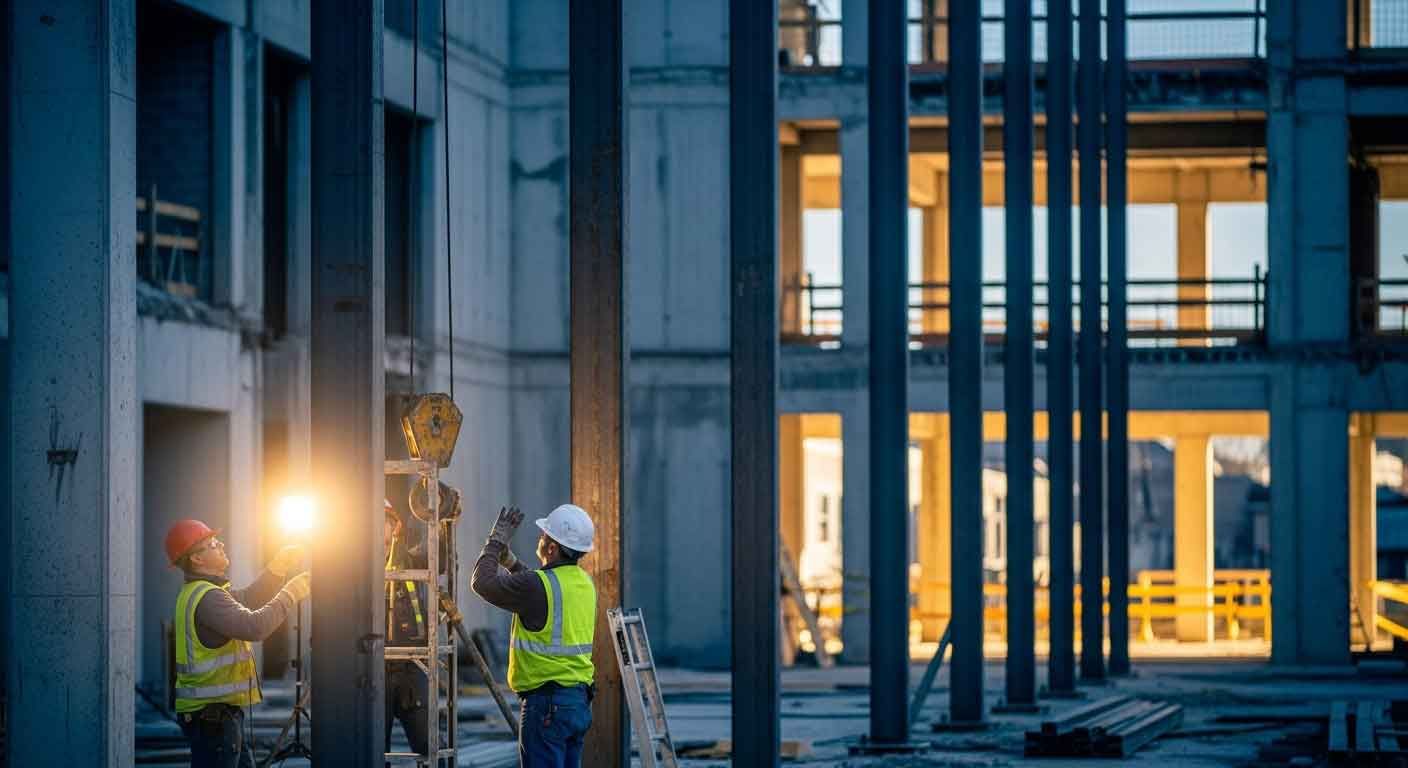
Structural steel is typically one of the first trades on site after foundations and concrete. Framing, MEP rough-in, and a long list of trades behind it cannot start until steel is erected. When the shop drawing cycle takes longer than planned, every scope that follows shifts with it.


The relationship is direct: no approved drawings means no fabrication. No fabrication means no erection date. No erection date means the superintendent is coordinating other trades around a scope with no confirmed schedule yet.


What makes this harder to manage is that the delay often does not feel urgent until it is. Shop drawing review is typically running in the background while the GC is managing other project activities. By the time a revise-and-resubmit comes back, or an engineer's review sits past the expected turnaround, the impact on the fabrication start is not always obvious until someone recalculates the overall schedule.


For tenant build-outs specifically, this pattern is more common on jobs where the steel scope was awarded later than it should have been. When the drawing cycle starts late, the margin between approval and the date steel needs to be in the field often disappears entirely. The coordination pressures that follow are covered in more detail on Structural Steel Scheduling on Tenant Build-Outs.


What GCs and Superintendents Can Do to Keep the Review Moving

There are practical steps on the GC side that help the shop drawing phase move without unnecessary delays:

  1. Award the steel scope early enough to allow a realistic review cycle. If structural steel is awarded when the project is already moving, there is often no slack left between drawing approval and the date erection needs to start.
  2. Establish submittal routing before the package goes in. Who reviews it, in what order, and what is the engineer's stated turnaround? A package that sits in the wrong inbox loses days that cannot be recovered.
  3. Track the submittal actively during the review period. The superintendent who follows up at the expected turnaround point catches delays earlier than one who waits for news. Shop drawing review is not a step where passive waiting serves the schedule.
  4. Raise known field conditions before detailing begins. If there are discrepancies between the structural drawings and what is in the field, surfacing those before the package is submitted is far less disruptive than a revise-and-resubmit cycle that could have been prevented.


How the Shop Drawing Phase Differs Between Tenant Build-Outs and Ground-Up Projects

On ground-up construction, the shop drawing phase is typically part of the baseline schedule from the start. The steel scope is awarded early, and the review cycle is built in before the project breaks ground.

Tenant build-outs run differently. The design may still be evolving when the GC is trying to get the steel scope awarded. The engineer may be managing multiple projects with limited review bandwidth. Existing building conditions may introduce field conflicts that were not apparent in the design drawings and only surface during detailing.


In our experience, tenant build-out shop drawing cycles benefit from more active coordination than ground-up projects. The project timelines are shorter, the margin for error is smaller, and the pressure to get steel erected so other trades can follow tends to be more immediate.


We handle shop drawing preparation for our structural steel scopes as part of the standard fabrication process. If you want to walk through how the drawing phase fits a specific project timeline, and we can take a look.


Frequently Asked Questions


How long does structural steel shop drawing preparation and approval typically take? It varies by project size and complexity. For a straightforward tenant build-out, preparation may take one to two weeks. The engineer's review adds time on top of that, and a revise-and-resubmit cycle adds more. On small to mid-size commercial projects, GCs should plan for two to four weeks from submittal to approval, though this depends on the design team's turnaround and whether field conditions require additional coordination.


Can fabrication start before shop drawings are fully approved? In most cases, no. Fabrication depends on approved drawings to confirm dimensions, connection details, and material specifications. Starting production without approval introduces the risk of fabricating to the wrong spec, which is more expensive to correct after the fact. Some fabricators will begin material procurement before full approval in certain circumstances, but shop production should not start without it.


Who is responsible for errors found in shop drawings? Generally, the fabricator is responsible for errors in the shop drawings themselves. The engineer of record is responsible for confirming the drawings meet the design intent. When errors are found after fabrication, determining responsibility depends on where the error originated and whether the approved drawing package reflected accurate information at the time of approval.
Steel stair fabrication and guardrail installation during a commercial tenant build-out in Houston
By A.G. Welding April 6, 2026
Miscellaneous metals on a Houston tenant build-out covers more phases than most GCs scope early. Here's what to account for before it lands on your critical path.
Structural steel framing being erected inside a commercial tenant build-out, ironworkers visible, co
By A.G. Welding March 30, 2026
A structural steel proposal should define scope, shop drawing responsibility, and material specs. Here's what to look for before you award the scope in Houston.
Steel stair fabrication underway at a Houston commercial tenant build-out project, showing stringer
By A.G. Welding March 19, 2026
What GCs need to know before bidding a commercial steel stair scope in Houston: IBC code requirements, what to provide for an accurate proposal, and scheduling coordination.
By A.G. Welding March 9, 2026
How the Certification Works The City of Houston maintains a registered list of fabricators authorized to produce structural, load-bearing components for buildings within city limits. The program is governed by the Houston Building Code under Section 1704.2.5, and the practical effect for general contractors is significant. When a fabricator is not on the city's approved list, the building code requires third-party special inspections during fabrication. That means an approved special inspection agency must be present in the shop while structural members are being fabricated, observing the work and producing inspection reports for the building official, the engineer of record, and the GC. Those inspections add cost and scheduling complexity to the project. When a fabricator holds the City of Houston certification, that special inspection requirement is waived. The certified fabricator's own quality control program, which has been audited and approved by the city, takes the place of third-party shop inspection. At the end of fabrication, the certified fabricator submits a certificate of compliance confirming the work was performed in accordance with the approved construction documents. For GCs managing structural steel scopes on Houston commercial projects, this distinction matters at the bid stage, not just during fabrication. What the Certification Actually Requires Getting on the city's approved fabricator list is not a formality. The fabricator must maintain a written Quality Control Manual that documents fabrication procedures and quality control processes in detail. An approved special inspection agency reviews the manual for completeness and adequacy, then audits the fabricator's actual shop practices against those documented procedures. The audit covers material handling, welding processes, dimensional control, and traceability. The fabricator's name or registration number must be permanently marked on each structural member that leaves the shop. Annual renewal requires a fresh audit, not just a paperwork renewal. If the fabricator's quality control slips between audits, the certification is at risk. There are two paths to approval. One is through a nationally recognized certification agency like AISC, whose own audit program satisfies the city's requirements. The other is through the third-party special inspection agency audit described above. Both paths lead to the same result on the city's registered fabricator list , and both require the same underlying commitment to documented quality control. Why This Matters When You Are Evaluating Steel Subcontractors GCs bidding commercial work in Houston encounter the fabricator certification question in a few ways. Sometimes the project specifications call for a City of Houston approved fabricator explicitly. Sometimes the engineer of record flags it during plan review. And sometimes it does not come up until the permitting phase, which is a problem if the GC has already awarded the steel scope to a non-certified shop. Knowing whether your steel subcontractor holds this certification before you award the contract avoids a scheduling disruption later. If the fabricator is not certified, you will need to budget for third-party special inspection during fabrication, and that inspector's schedule becomes a dependency in your overall project timeline. For out-of-town GCs working in Houston for the first time, this is one of the local requirements that can catch you off guard. Other Texas cities and other states may not have an equivalent program, so it does not always show up in a GC's standard subcontractor vetting process. Asking the question early is worth the two minutes it takes. What This Certification Does Not Tell You The city's certification confirms that a fabricator has a documented, audited quality control program. It confirms the shop has been inspected and that the fabricator's procedures meet code requirements. That is meaningful and it is verifiable. What it does not tell you is whether the fabricator is the right fit for your specific project. It does not speak to: Experience with your project type (tenant build-out, ground-up, renovation) Capacity to meet your schedule Proposal detail and scope clarity Communication practices during fabrication and erection Ability to coordinate with other trades on site The certification is a trust signal, not a complete evaluation. It tells you the fabricator takes quality control seriously enough to maintain the documentation, undergo the audits, and keep the certification current. That is a meaningful baseline. But vetting a steel subcontractor still requires the conversations about scope, timeline, and fit that separate a good working relationship from one that creates problems. How A.G. Welding Fits A.G. Welding has been on the City of Houston's registered fabricator list since 2017, certified for structural and miscellaneous steel . Our welders are certified to AWS D1.1 standards, and we maintain the Quality Control Manual and undergo the annual audits required to keep the certification current. We focus on small to mid-size commercial projects, tenant build-outs, and renovation work across the Houston metropolitan area. We handle steel stairs , structural steel fabrication and erection, miscellaneous metals, and commercial welding repair. We are not the right fit for tilt wall projects, buildings over two stories, or large-footprint structures, and we say that upfront so GCs know where we fit before the proposal stage. Contact A.G. Welding to discuss your Houston commercial steel scope by requesting a free estimate or calling us at (713) 988-4200.
Welder performing on-site structural weld repair on commercial steel frame at Houston facility.
By A.G. Welding March 2, 2026
A broken weld doesn't always mean replacement. A.G. Welding explains when commercial welding repair makes more sense and what the assessment process looks like.
Structural steel beam installation underway at a Houston commercial tenant build-out project site
By A.G. Welding February 23, 2026
Structural steel is one of the first trades on a tenant build-out. What GCs need to know about shop drawings, fabrication, and scheduling in Houston.
Commercial steel fabrication crew at work on a Houston tenant build-out with beam installation
By A.G. Welding February 16, 2026
Out-of-town GCs doing commercial work in Houston need a vetted steel sub with local certifications and clear proposals. Here is what to look for before you bid.