Miscellaneous Metals on a Commercial Tenant Build-Out: What GCs Need to Account For Early
What Counts as Miscellaneous Metals on a Commercial Project
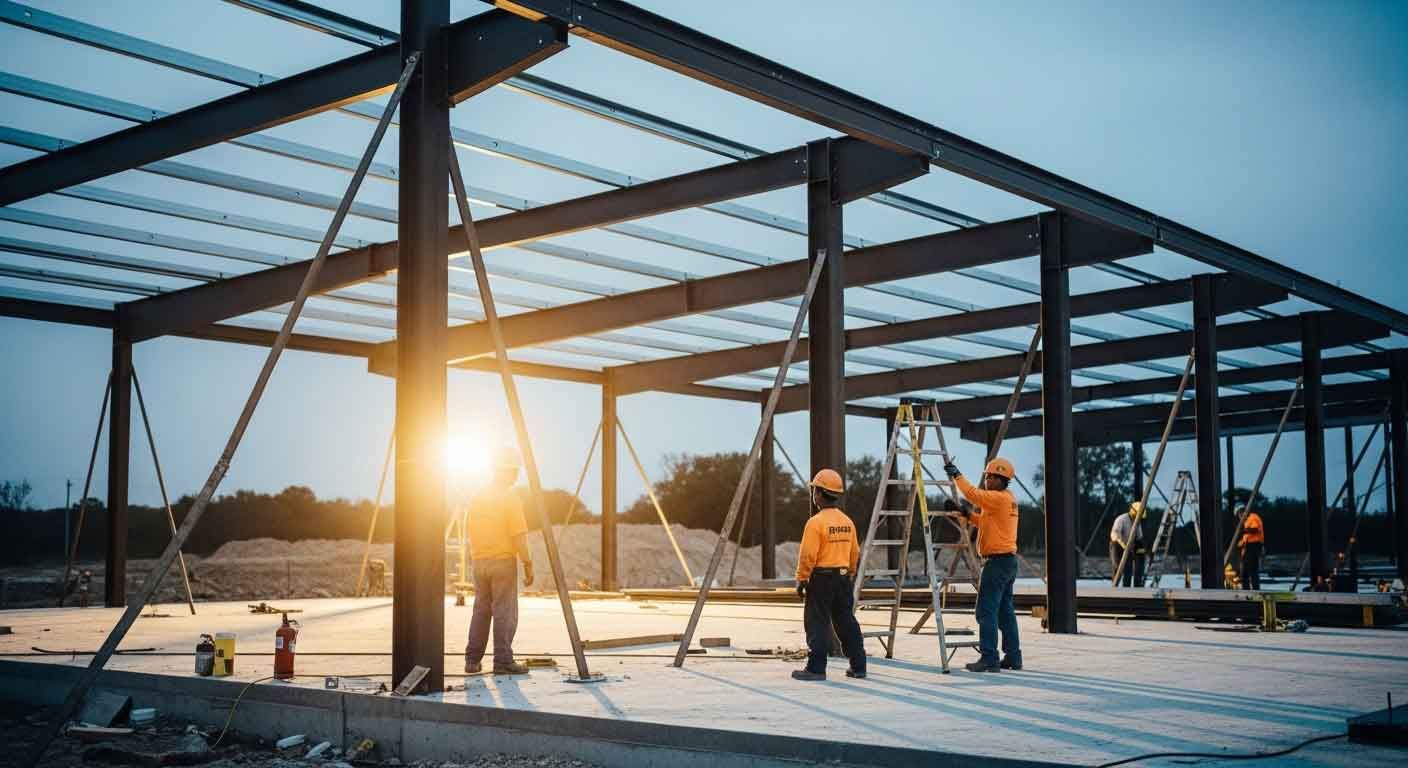
Structural steel and miscellaneous metals are related but they are not the same scope. Structural steel is the load-bearing skeleton of the building: columns, beams, joists, deck, and bracing. Miscellaneous metals is everything else fabricated or installed in metal that is not part of that structure. On a tenant build-out or commercial renovation, that second category covers more ground than many GCs account for when they are putting together early budgets.
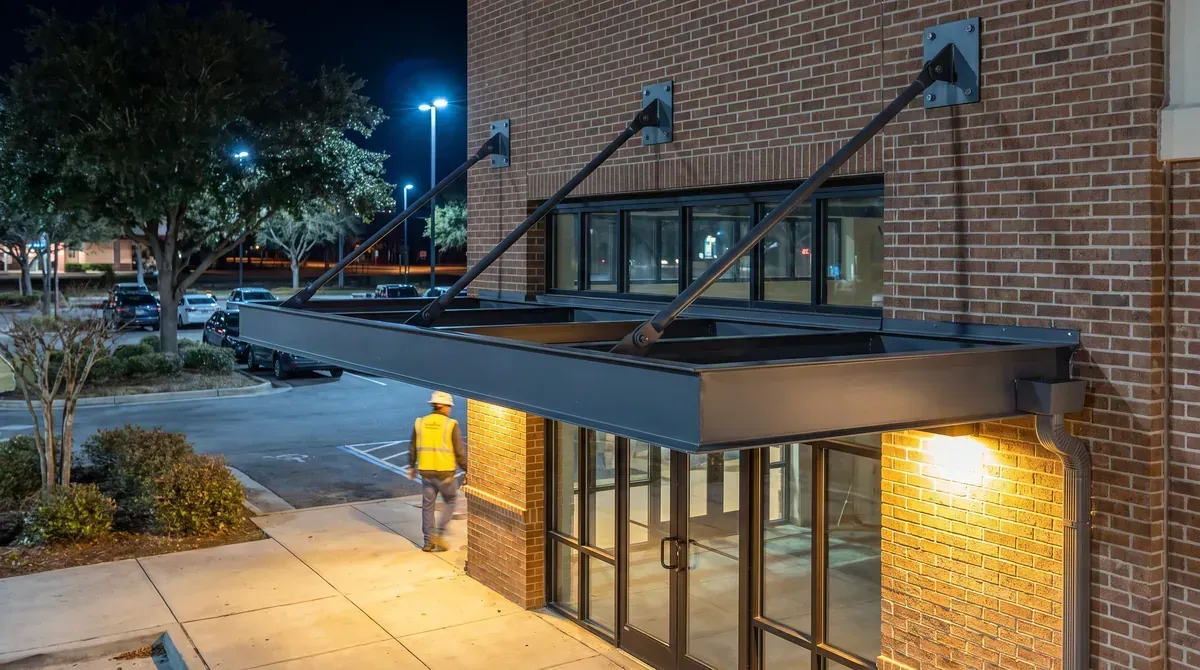
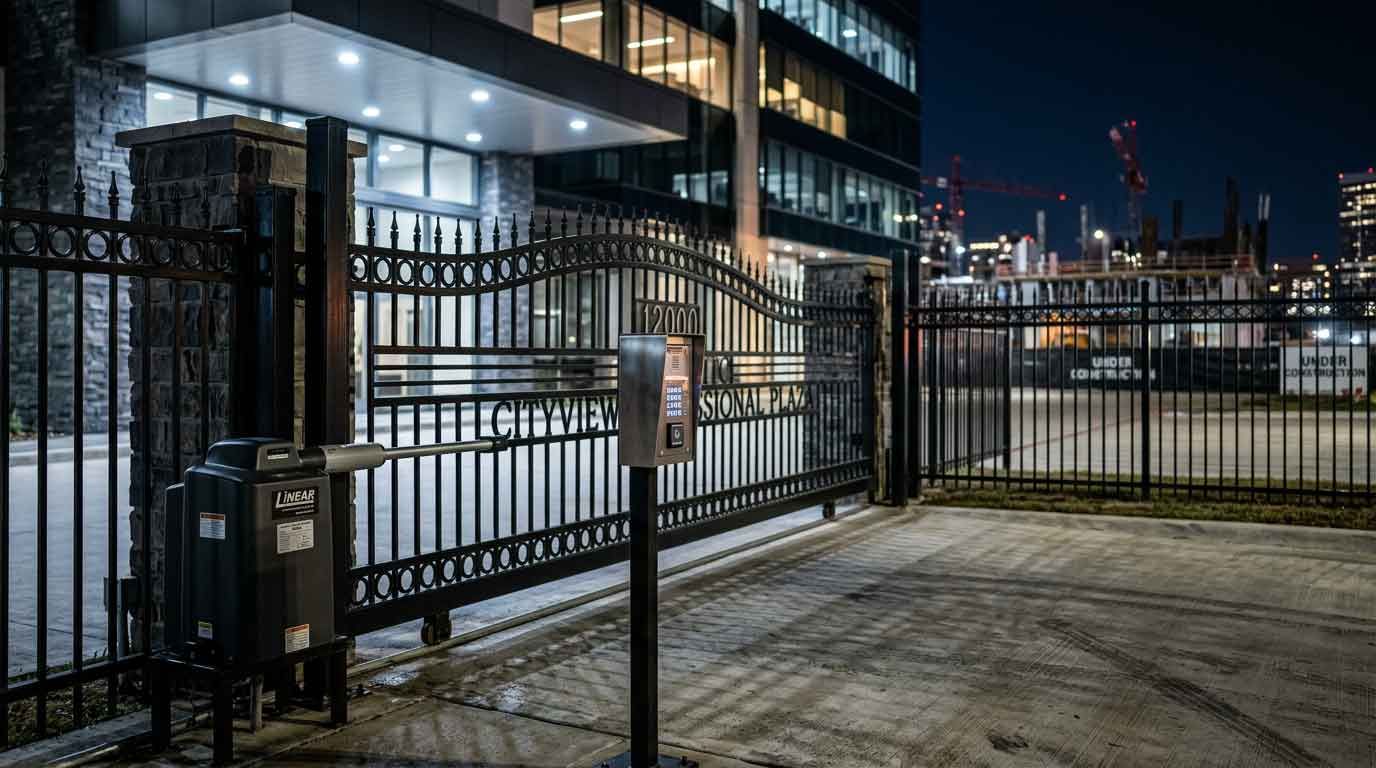
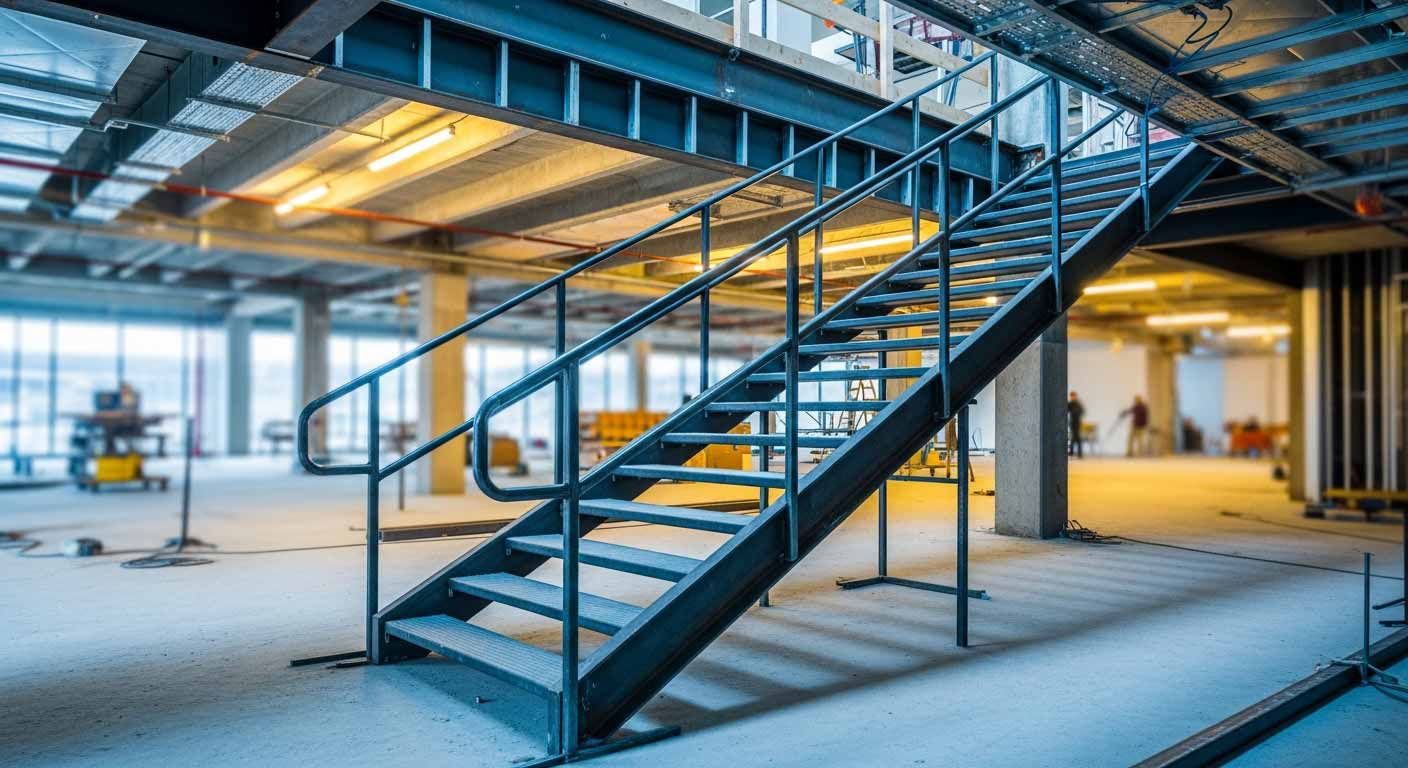
Our Miscellaneous Metal Work scope includes stairs, handrails, guardrails, lintels, bollards, canopy supports, dumpster enclosure frames, and counter supports. Some of these items are code-required. Some are finish elements. Most are both. What they share is that they tend to show up late in the subcontractor solicitation process, even on jobs where they should have been identified from the start.
Common Miscellaneous Metals Scope on Tenant Build-Outs and Renovations
The exact mix varies by project, but there are items we see on many Houston commercial tenant build-outs and renovations:
- Interior stairs for two-level retail or office spaces (straight, L-shaped, curved, or spiral)
- Code-required guardrails at mezzanines, elevated platforms, and level changes
- Handrails on stairs and accessible ramps
- Bollards at storefronts, drive-throughs, and exterior entries
- Lintels over door and window openings in masonry construction
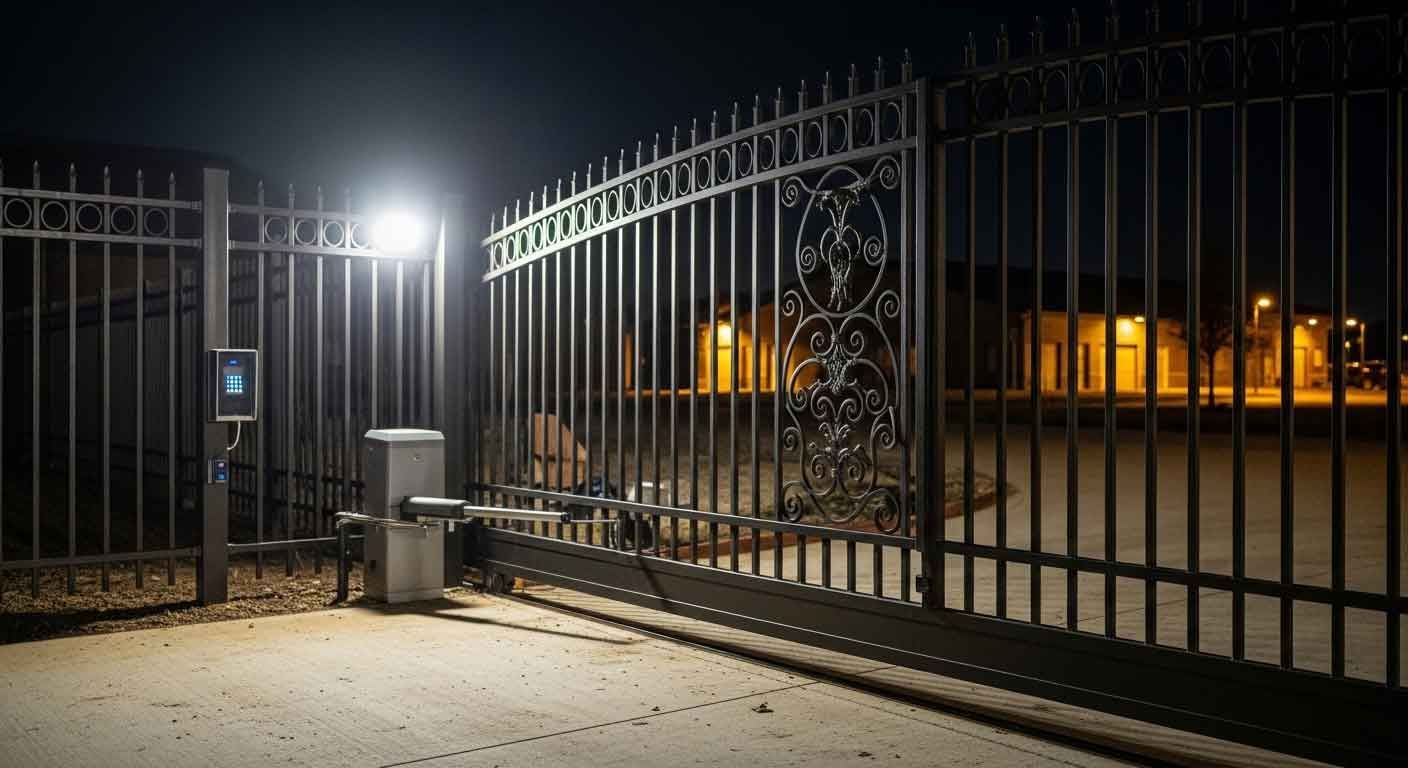
- Dumpster enclosure gates and frames
- Canopy structural supports
- Counter supports for restaurant and retail build-outs
That list spans the life of a project. Lintels go in during rough construction. Stairs typically follow structural steel. Guardrails tie to flooring and finish phases. When the miscellaneous metals scope is not awarded early enough, different pieces of it start creating scheduling pressure at different points in the job.
Why Miscellaneous Metals Gets Scoped Too Late
We see this pattern on tenant build-outs more than any other project type. Structural steel goes out early because the GC knows it is a primary scope item. Miscellaneous metals gets pushed to the second or third round of sub solicitations, sometimes after drawings have been revised and items have shifted.
Part of the reason is that miscellaneous metals is harder to define in an early drawing set. The architecture may show a stair location without fully resolved structural details. Code requirements for guardrail geometry may still be open. Mechanical drawings may not yet show where RTU supports or canopy penetrations land. Those open questions feed the miscellaneous metals scope, and when they are not answered, the tendency is to wait.
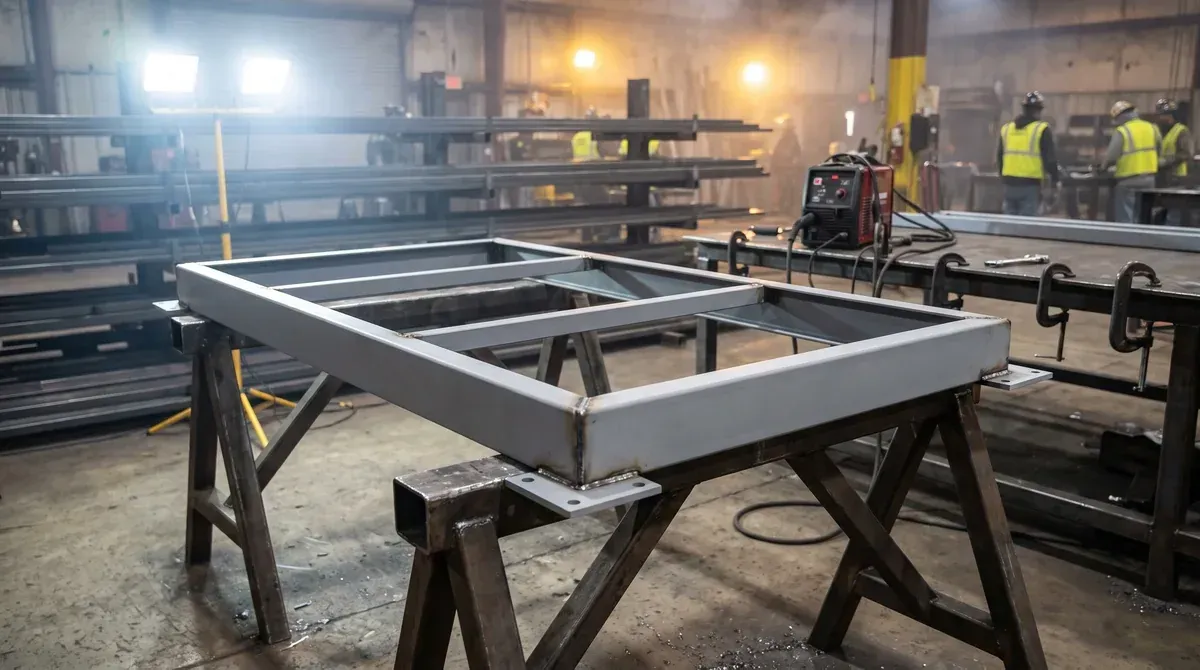
Waiting costs more than it looks like upfront. A straightforward commercial stair typically goes through shop drawing approval, material procurement, and shop production before it arrives on site. If the scope award is delayed until the project is already moving, the fabricator ends up on the critical path. When structural steel is already erected and other trades are trying to sequence in behind, that is not where a GC wants a scheduling problem.
Coordinating Miscellaneous Metals with Structural Steel and Other Trades
Coordination between structural and miscellaneous scope matters most at two points in the project.
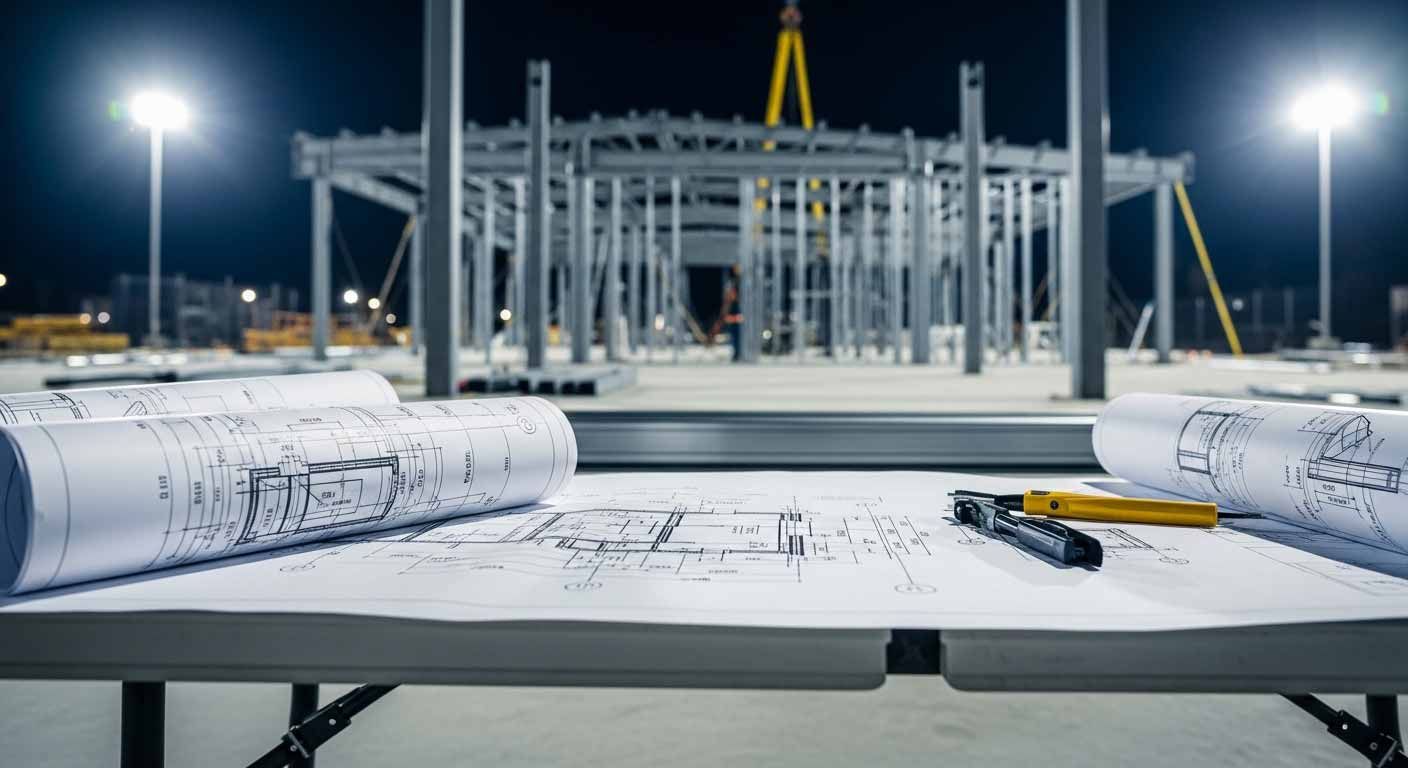
The first is at shop drawings. If structural steel and miscellaneous metals are with separate contractors, both drawing sets need to be reviewed against each other. Anchor bolt locations, embed plates, and connection points shown on the structural drawings may not match what the miscellaneous metals fabricator assumed. Finding those conflicts after steel is erected is expensive. Finding them on paper is not.
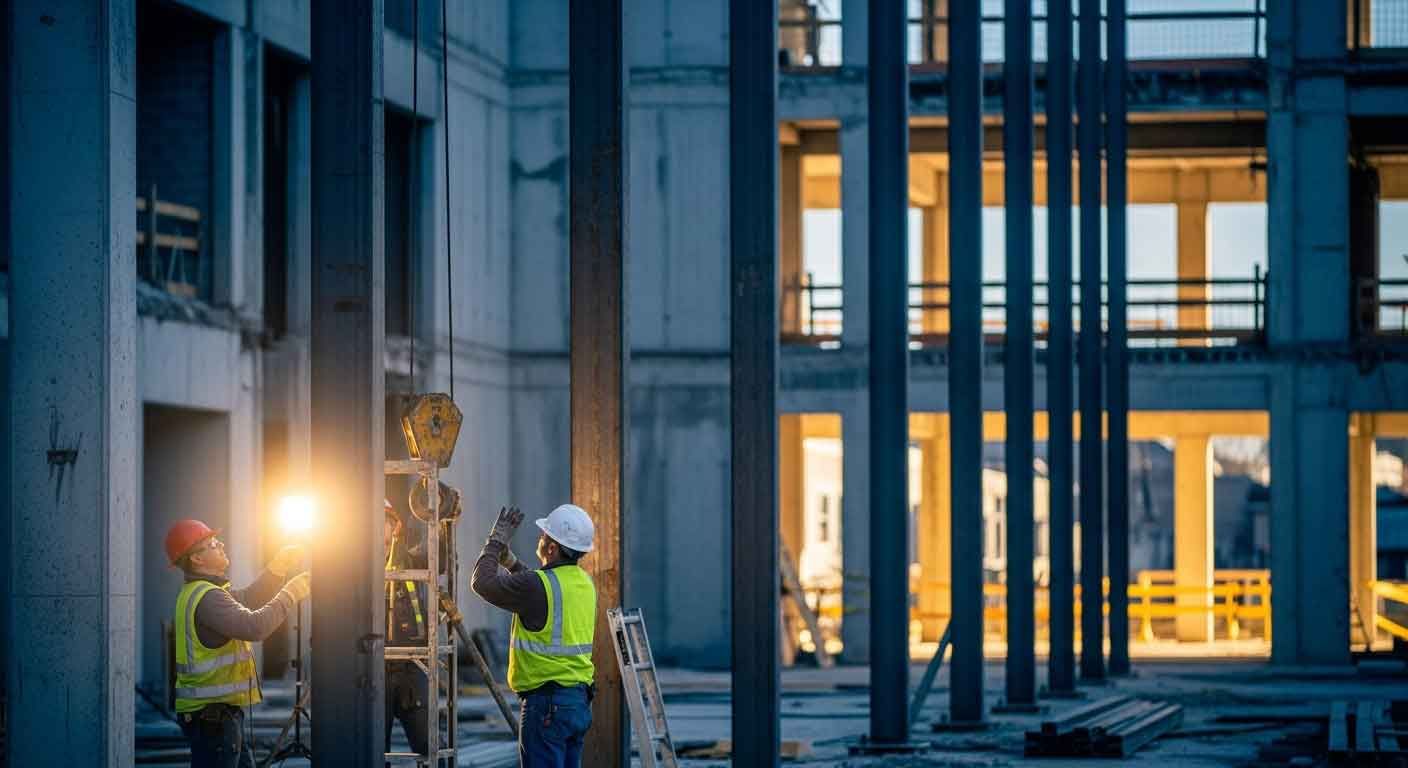
The second point is on-site sequencing. Our [/structural-steel Structural Steel Services] team coordinates this regularly on jobs where we carry both structural and miscellaneous scope. Structural steel has to be in place before certain miscellaneous metals can be installed. Miscellaneous metals have to be complete before flooring, drywall, and finishes can close in those areas. When both scopes are with separate contractors, that sequencing falls on the GC or superintendent to manage across two separate communication channels rather than one.
Keeping One Contractor Across Structural and Miscellaneous Scope
We handle both structural steel and miscellaneous metals on many of our tenant build-outs and renovations in the Houston area. That is not always the right fit for every project, but when it works, the practical benefits are clear.
One shop drawing package, reviewed once. One schedule to coordinate against. One contractor accountable for both scopes arriving on time. When a question comes up about whether an embed plate is positioned correctly for a stair stringer connection, the answer gets resolved internally rather than through a three-way conversation between separate subs and a GC trying to arbitrate.
If you are scoping a commercial tenant build-out and want to see what a combined structural and miscellaneous metals proposal looks like, we are glad to put that together. Request a Scope Review and one of our estimators will follow up.
Frequently Asked Questions
What is the difference between structural steel and miscellaneous metals on a commercial build-out? Structural steel refers to the load-bearing members of the building: columns, beams, joists, deck, and bracing. Miscellaneous metals covers fabricated and installed metal components that are not part of the structural system. On a tenant build-out, miscellaneous metals typically includes stairs, handrails, guardrails, bollards, lintels, and canopy supports.
When should miscellaneous metals be scoped on a tenant build-out? Ideally, miscellaneous metals should be scoped and awarded at the same time as structural steel, or shortly after the early drawing set is available. Because the scope spans multiple project phases, delaying the award can create scheduling pressure at several points in the job, particularly for stair fabrication, which requires shop drawing approval and production lead time before anything arrives on site.
Can one contractor handle both structural steel and miscellaneous metals on a tenant build-out? Many fabricators do handle both scopes. When one contractor carries structural steel and miscellaneous metals together, shop drawing coordination is simplified, on-site sequencing is managed internally, and the GC has a single point of accountability for both scopes.