Commercial Welding Repair or Replacement: How to Decide and What the Process Looks Like
The Instinct to Replace Is Not Always the Right Call
When something breaks on a commercial property, the instinct is often to replace it. It feels like the cleaner solution. No questions about whether the repair will hold, no uncertainty about the final appearance, no partial fixes that leave an older piece standing next to a new one.
That instinct is reasonable. But it leads to replacement decisions that cost significantly more than they need to, on metal components that were structurally sound and had plenty of useful life remaining. A broken weld is not the same as a failed component. And a bent gate frame is not necessarily a gate that needs to come out.
After nearly 40 years doing commercial welding repair and fabrication work in Houston, we have seen this pattern enough times to say plainly: the decision to repair versus replace is worth a real conversation before a scope is written. What follows is a practical framework for thinking through it.
When Repair Is the Right Answer
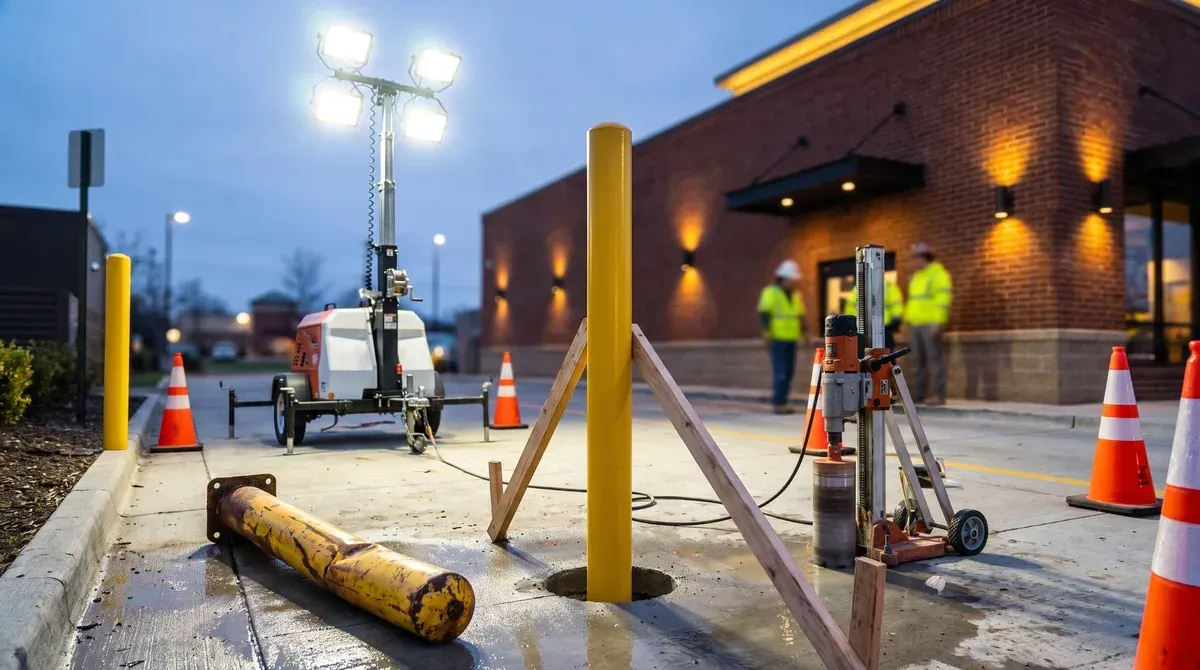
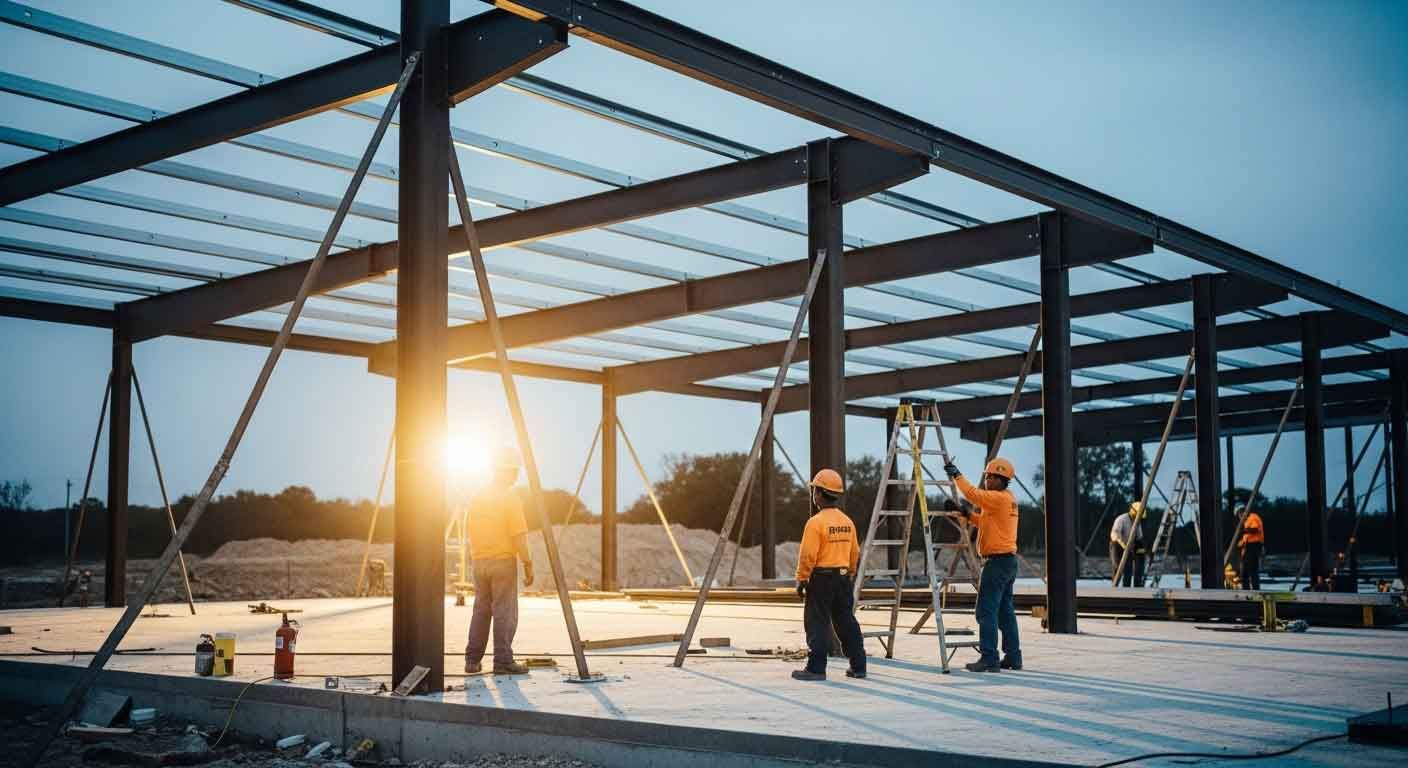
Welding repair makes sense when the component is structurally intact and the failure is isolated. A broken weld, a cracked connection, a bent section of a gate frame, or a detached handrail bracket are all examples where the base material is sound and the damage is addressable without pulling the whole assembly.
The cases where repair typically wins on commercial properties:
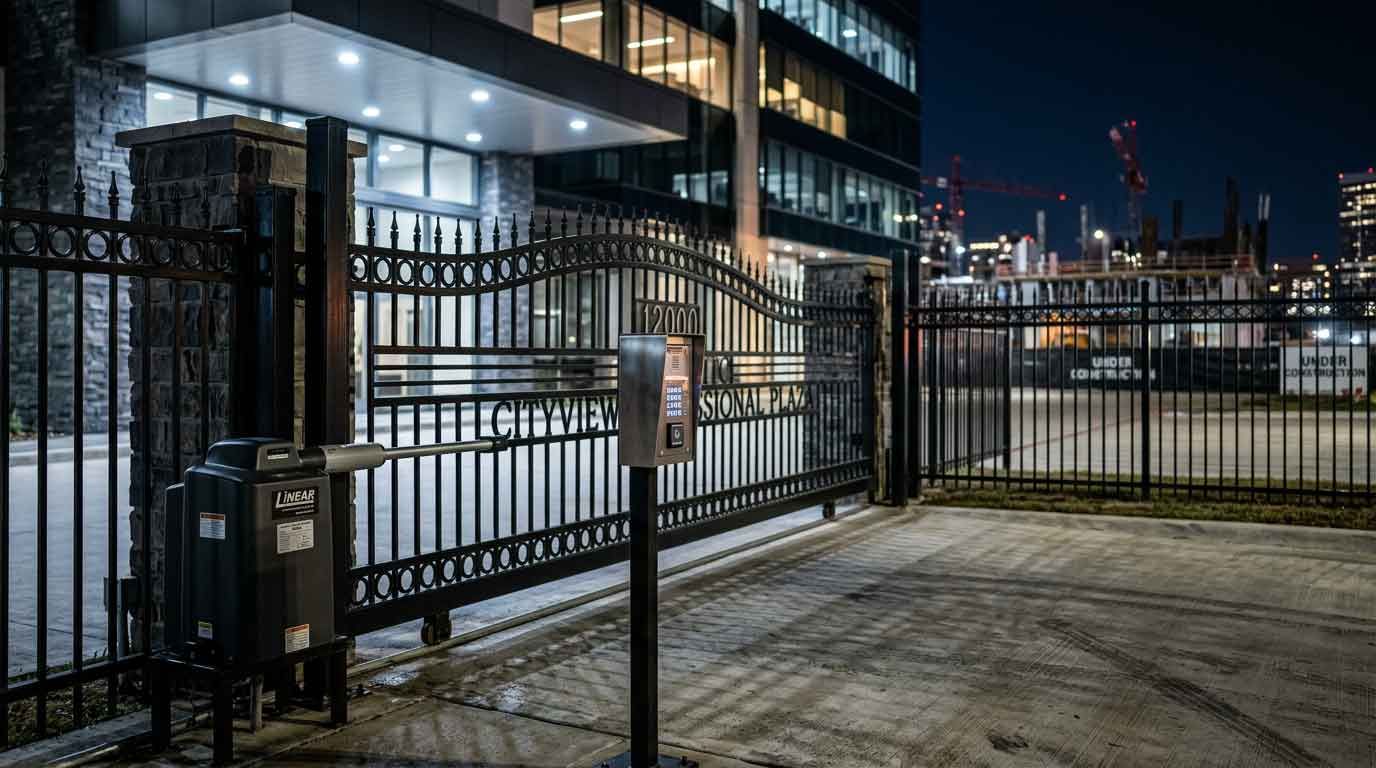
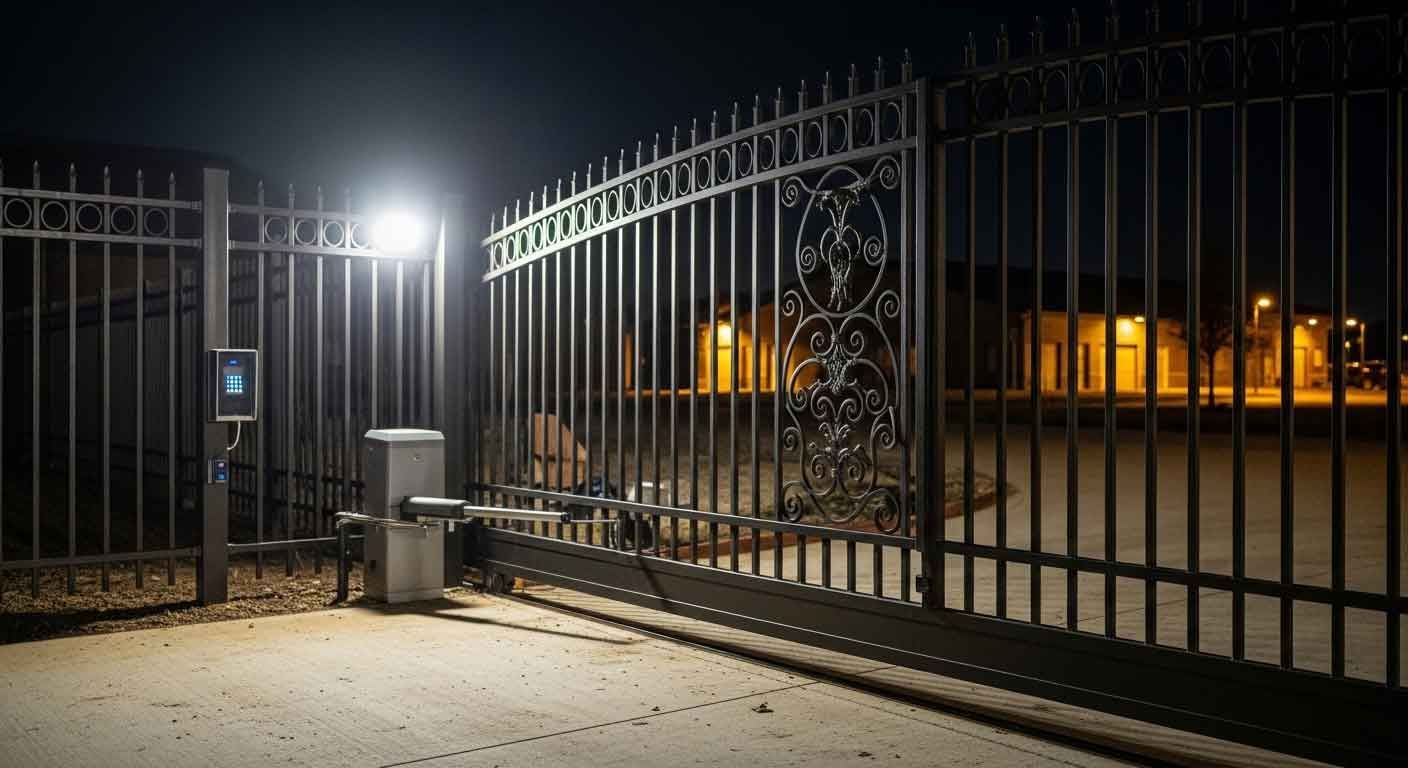
- Fences and gates where a post, hinge, or frame section has failed but the rest of the run is solid
- Commercial handrails and guardrails with a broken bracket or connection at a post base
- Structural components where a weld has cracked but the surrounding steel is undamaged
- Metal equipment, trailers, or commercial fixtures that are otherwise functional
The cost difference is real. Repair work on a localized failure is a fraction of the cost of pulling out an existing assembly and fabricating a replacement. For a commercial property manager managing a maintenance budget, that difference matters. We can do the work on-site at your facility, or you can bring the component into our shop if that is a more practical option.
One thing worth knowing: we weld steel, cast iron, aluminum, cast aluminum, and stainless steel. The material is not usually the limiting factor in whether a repair is feasible.
When Replacement Makes More Sense
Repair has limits. When the damage is widespread, when the base material has significant corrosion, or when a component has been repaired multiple times in the same area and the surrounding metal is compromised, replacement is usually the more reliable long-term answer.
Replacement is worth considering when:
- Corrosion extends well beyond the failed weld and has affected the surrounding steel
- The component is undersized for its current load conditions and would benefit from a redesign
- A renovation or remodel is already underway and replacing the component fits naturally into the scope
- The existing fabrication does not meet current code requirements and needs to be brought into compliance
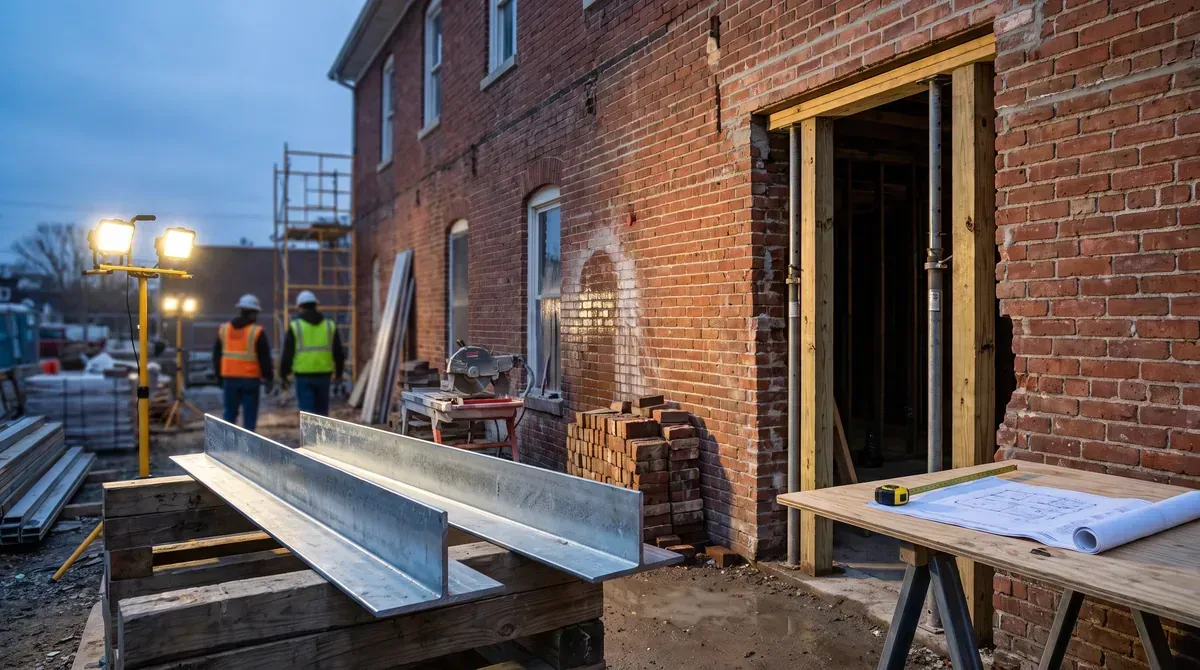
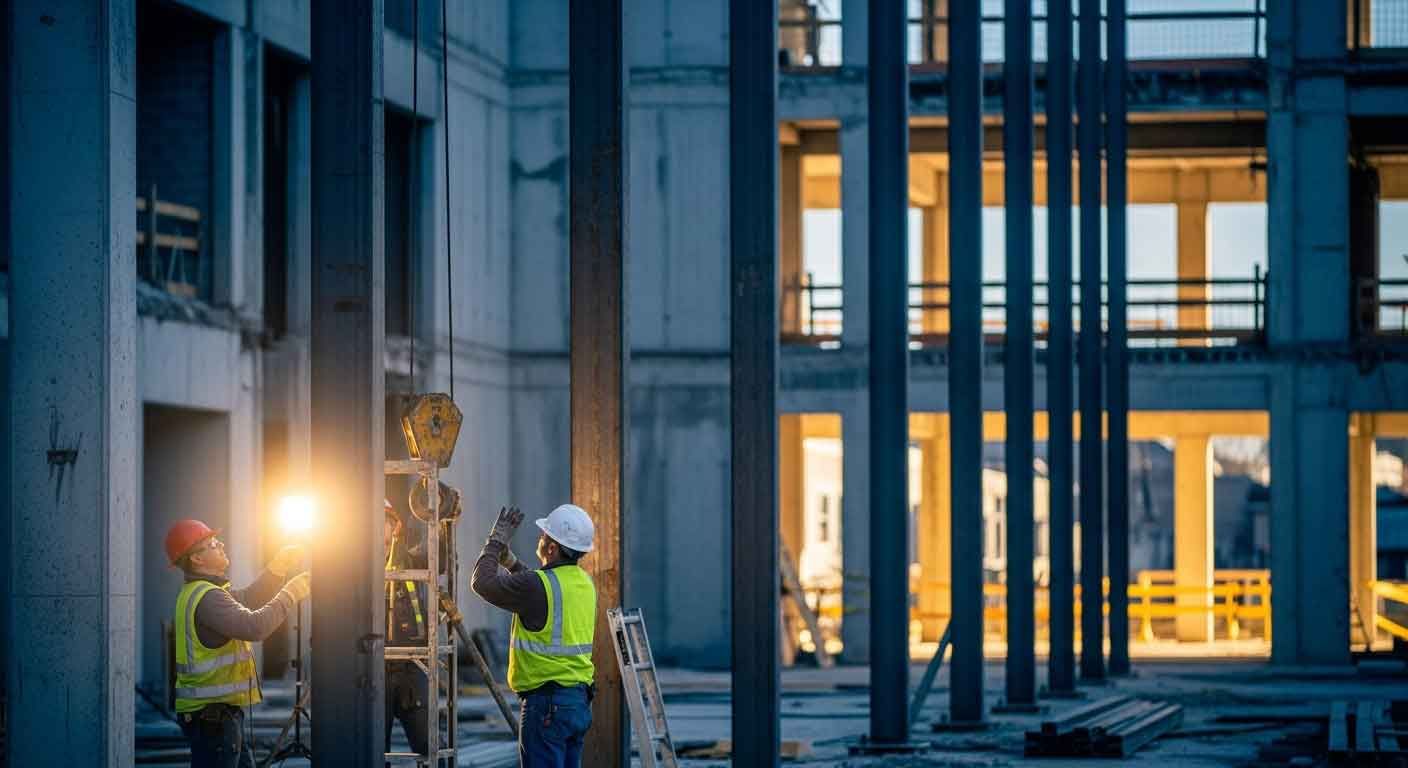
On renovation and tenant build-out projects, we see replacement decisions made correctly when the project scope includes structural changes that alter the load path or the geometry around an existing component. Repairing something that is about to be reconfigured often does not make economic sense.
For GCs managing commercial renovation scopes or property managers looking at deferred maintenance on a facility, the replacement conversation is also worth having when a component is aging toward the end of a reasonable service life. Repairing it now and replacing it two years from now costs more than replacing it once.
What the Repair Process Looks Like
For commercial welding repair, the process is more straightforward than many property managers expect. The most important step is the initial assessment. Before any work is scoped or priced, we look at what failed, what the surrounding material looks like, and whether the repair can be done on-site or needs to come into the shop.
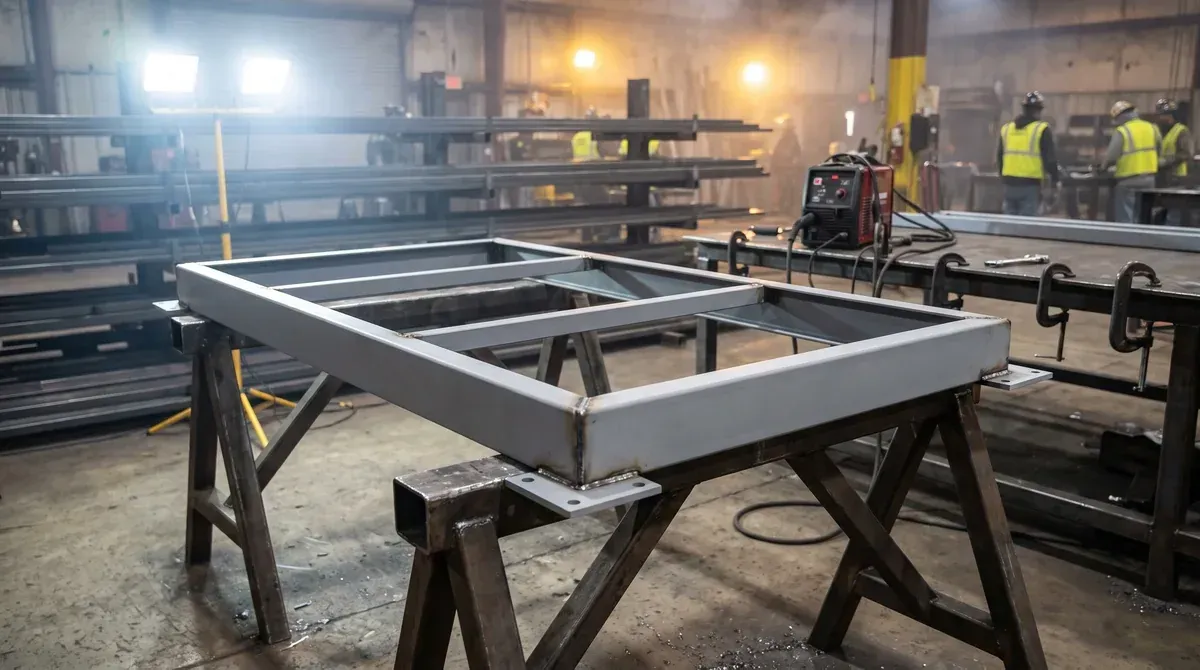
Shop repairs are less expensive in most cases because our crew is working in a controlled environment with full access to equipment. On-site repairs make more sense when the component cannot be removed, when the property is occupied and work needs to happen during off-hours, or when the scope is larger and involves multiple locations on the property.
After the assessment, we write a clear scope for the work. That scope covers what is being repaired, how the repair will be executed, what the finished result will look like, and whether any surface preparation, coating, or finish work is part of the job. Commercial clients, especially property managers coordinating with facility teams or ownership, need that documentation before work starts.
The Question That Matters Most
The question to ask when evaluating a repair versus replacement decision is not "which option is cheaper right now." It is "which option gives me the best result over the next several years relative to what I am spending."
A repair done correctly on a component with sound base material can last as long as the original fabrication. A replacement that resolves a structural or code issue delivers long-term value that a patch cannot. The right answer depends on the condition of the component, the nature of the failure, and what the project context requires.
We are direct about this when we look at a scope. If repair makes sense, we say so. If the condition of the material or the scope of the damage makes replacement the better call, we say that too. A property manager or GC who gets an honest assessment early spends less than one who gets a repair that becomes a replacement six months later.
Putting This to Work on Your Next Project
Contact A.G. Welding to discuss a repair or replacement assessment for your commercial property or project scope by requesting a free estimate or calling us at (713) 988-4200. We handle commercial fencing and gates, structural steel, miscellaneous metals, and welding repair across the Houston metropolitan area, and we give you a clear picture of what the right scope looks like before work begins.