What a Structural Steel Proposal Should Include and How to Evaluate One
Why Proposal Quality Matters More Than Price on a Steel Scope
When you're leveling steel bids on a commercial project, price is usually the first number you look at. That's understandable. But on a structural steel scope, a low number built on assumptions tends to be more expensive than a higher number that accounts for everything.
We've seen enough change orders come out of incomplete proposals to know where this leads. When scope boundaries are vague, disputes follow. The structural steel contractor finishes what they thought they were hired to do, and you're left holding a gap that nobody explicitly agreed to fill. On a tenant build-out or renovation project, that gap often lands at the worst possible point in the schedule.
A well-written structural steel proposal tells you exactly what you're buying and exactly what you're not. That definition is what protects the project, not the price.
The Sections Every Detailed Steel Proposal Should Cover
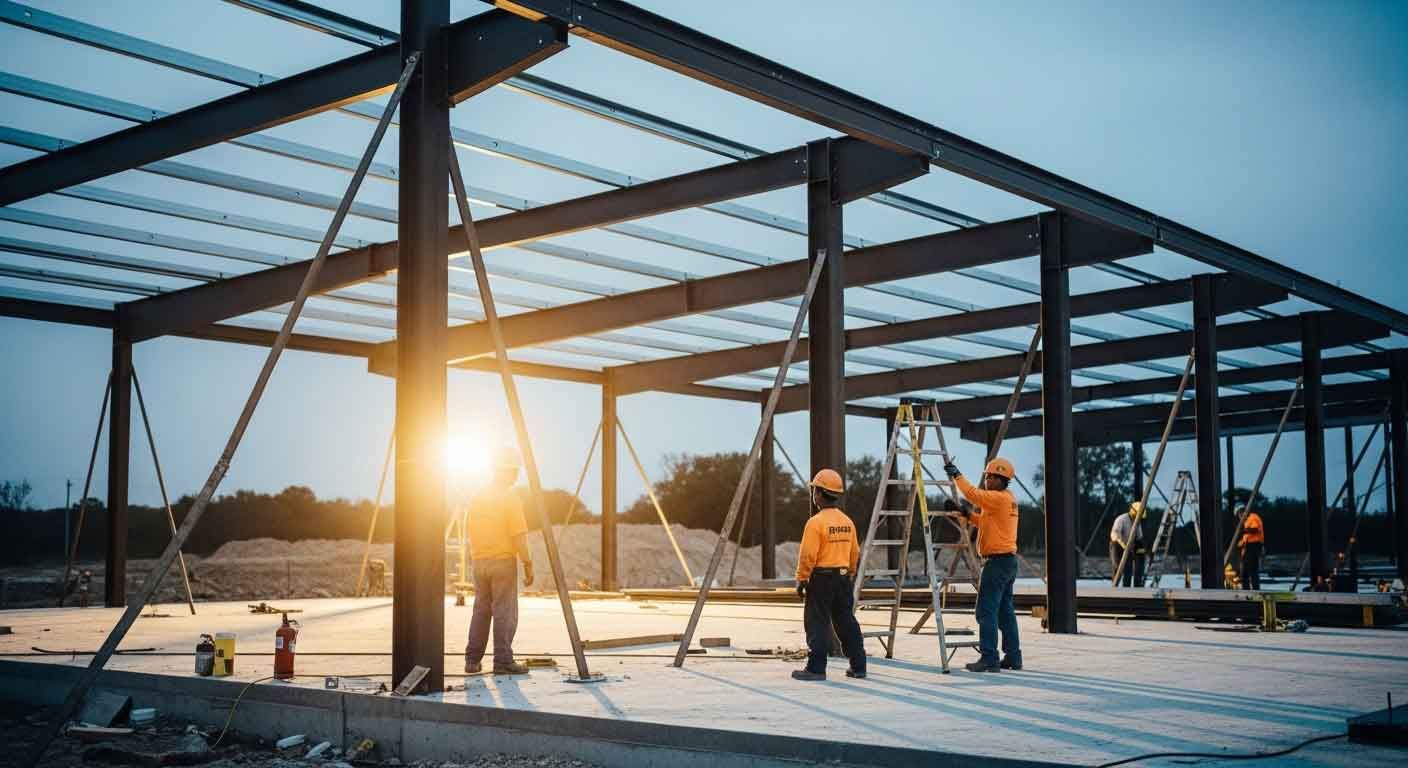
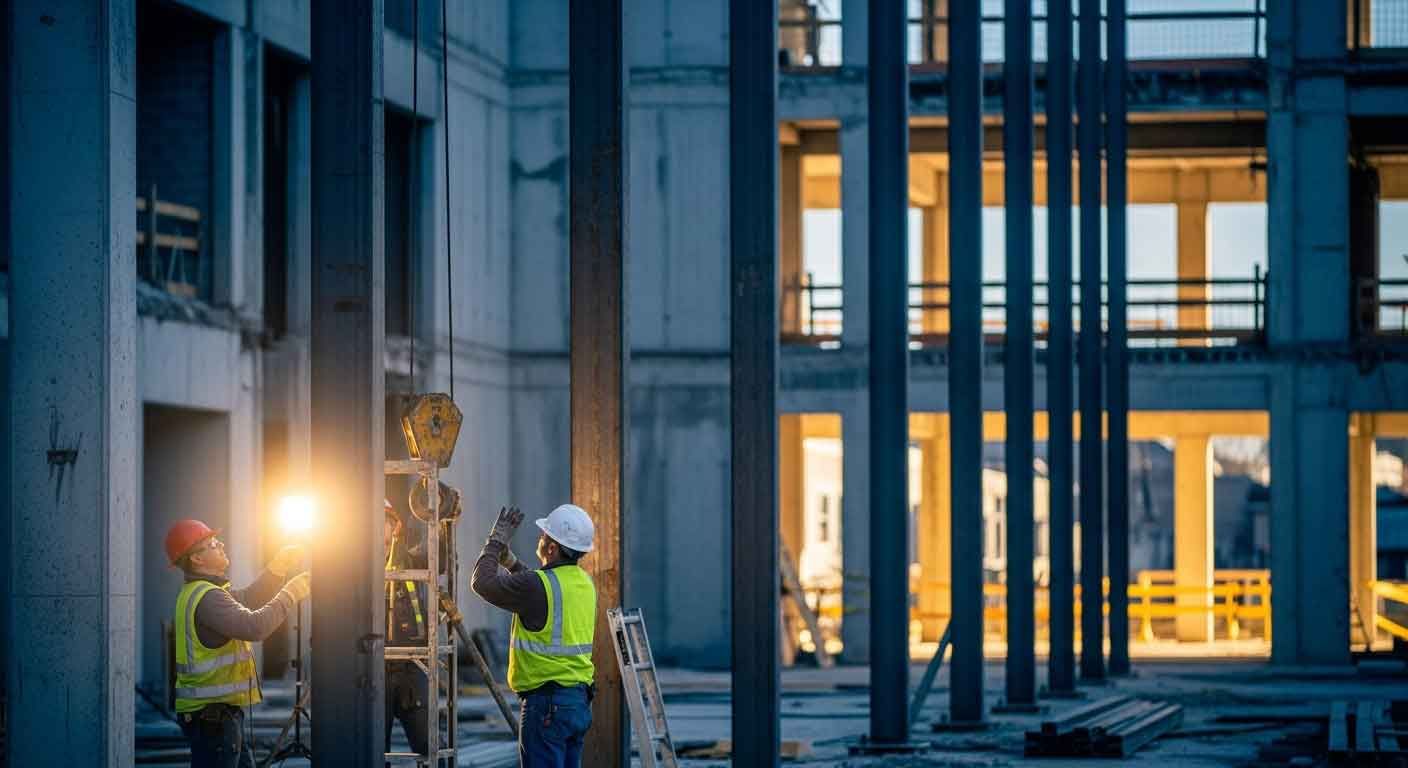
A complete structural steel proposal should address every phase of the work from initial review through final installation. At minimum, look for these sections:
- Scope of work: A specific list of what is included. Columns, beams, joists, deck, bracing, RTU supports, canopies, fixed ladders, and any other structural elements should be named individually. "Structural steel per plans" is not a scope definition.
- Material specifications: The grade, size, and finish of steel members. If coatings, primers, or fireproofing are required, the proposal should state who is responsible for each.
- Fabrication and erection: Whether the contractor is providing both, or only one. Fabrication without erection, or erection of materials supplied by others, creates coordination problems if it isn't spelled out upfront.
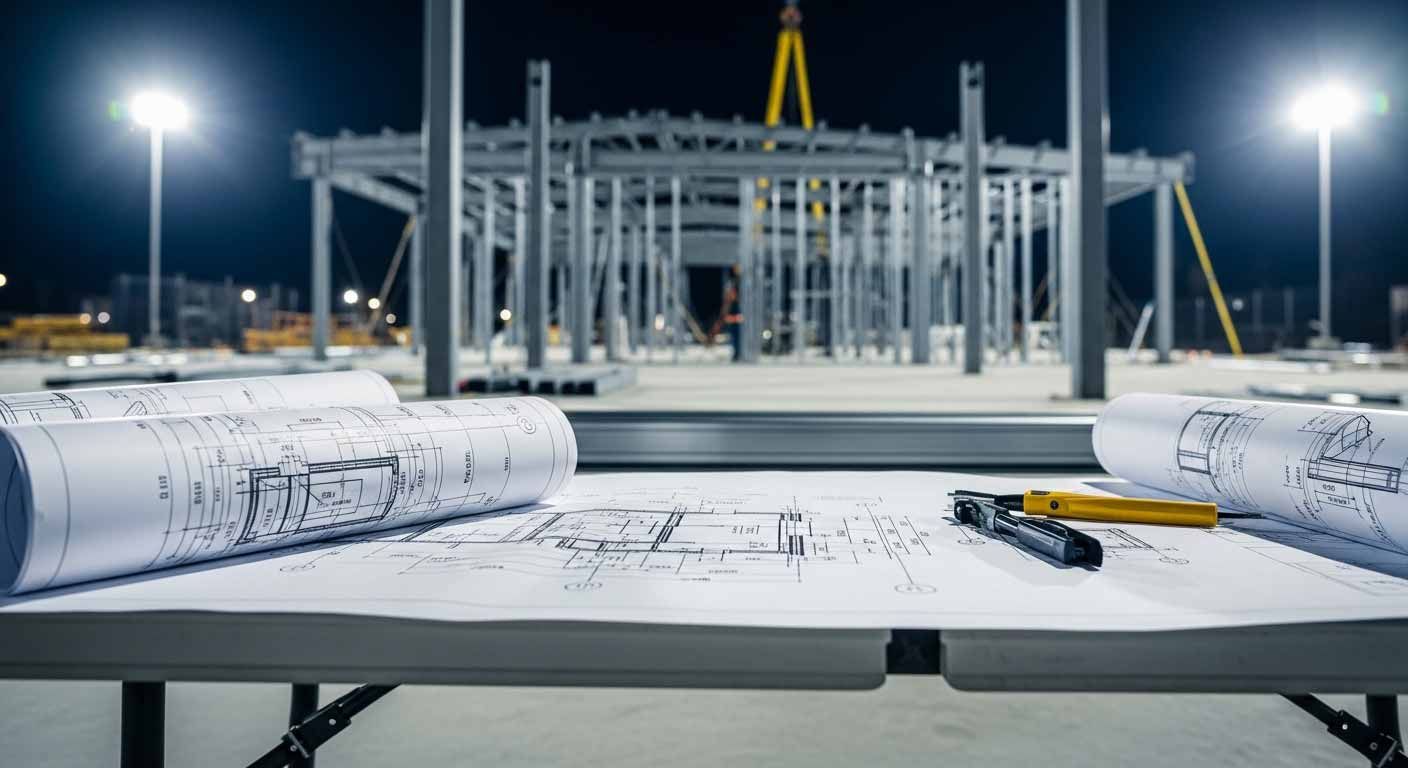
- Shop drawing preparation: Who prepares the shop drawings, the expected submission timeline, and how the review and approval process flows between the fabricator, the structural engineer of record, and your team.
- Schedule and lead time: When fabrication begins relative to when drawings are approved, and when erection is estimated to start. These milestones have to connect to your project schedule or they mean nothing.
- Exclusions: What is specifically not included. A serious proposal names its exclusions rather than leaving them as undefined gaps.
Not every sub packages proposals the same way. But if a bid is missing several of these sections, the sub either hasn't worked through the full scope or is leaving room to revisit it later. If you want to get a proposal from us to use as a comparison point, that's a reasonable request and something we're glad to provide.
Red Flags in Vague or Incomplete Bids
An incomplete proposal doesn't always look like a short document. Sometimes it looks like a detailed document that still manages to leave the critical questions unanswered.
Watch for these patterns:
- Lump sum pricing with no line-item breakdown
- No mention of shop drawings or submission timeline
- Scope described only by reference to plan sheets, without restating what those sheets contain
- No explicit statement on erection responsibility
- Exclusions section missing entirely, or present but too narrow to be meaningful
- No acknowledgment of how the steel scope connects to other trades on site
The bids most likely to generate disputes are the ones that price the easy parts clearly and leave coordination questions open. We've seen bids come in considerably lower than ours, and when you look closely, the sub has simply avoided pricing the parts that require real coordination or that might generate RFIs during the shop drawing phase.
A low number that doesn't account for the full scope isn't a competitive bid. It's a placeholder for a change order conversation.
How Shop Drawing Responsibility and Material Specifications Should Be Defined in Writing
Shop drawings are where many steel disputes actually begin. The drawings translate the engineer of record's design intent into fabrication-ready instructions. Who prepares them, how long review takes, and who resolves discrepancies between the structural drawings and actual field conditions are all questions that should be answered in the proposal or the subcontract.
A clear proposal will state that the steel contractor is responsible for preparing shop drawings, submitting them for review by the structural engineer, and incorporating revision comments before fabrication begins. It should also acknowledge that fabrication does not start until drawings are approved. That sounds obvious, but when it isn't written down, schedule pressure on a live project can push a sub to start cutting before approval is confirmed.
Material specifications deserve the same clarity. Structural steel members come in different grades and profiles, and the engineer's specifications govern what's acceptable. A proposal that says "structural steel" without referencing ASTM designations or acknowledging the engineer's specifications leaves you guessing about whether what arrives on site matches what was designed.
What to Ask a Steel Sub Before You Award the Scope
Before the scope is awarded, a few direct questions will tell you more than the bid document alone:
- How do you handle shop drawing preparation, and what's your typical turnaround from drawing approval to fabrication start?
- What is your current backlog, and when can you realistically begin on our project?
- Who is the point of contact for field coordination, and how do they communicate with our superintendent?
- Have you worked in this project type before?
- What do you see as the coordination risks on this scope, and how do you typically manage them?
A sub who answers these questions directly and specifically has been through the work before. A sub who deflects or gives vague answers to field questions is telling you something.
Working Through a Steel Scope in Houston
We give a very detailed proposal on every scope we bid. After nearly 40 years doing structural steel and miscellaneous metals work in Houston, that's the standard we hold ourselves to because it's what makes projects work for the GC, not just for us.
If you're evaluating a structural steel scope and want to talk through what a complete proposal should cover, reach out. We're happy to walk through it.