Galvanized or Painted: Protecting Exterior Steel in Houston's Humidity
Why Exterior Steel Needs a Plan in Houston
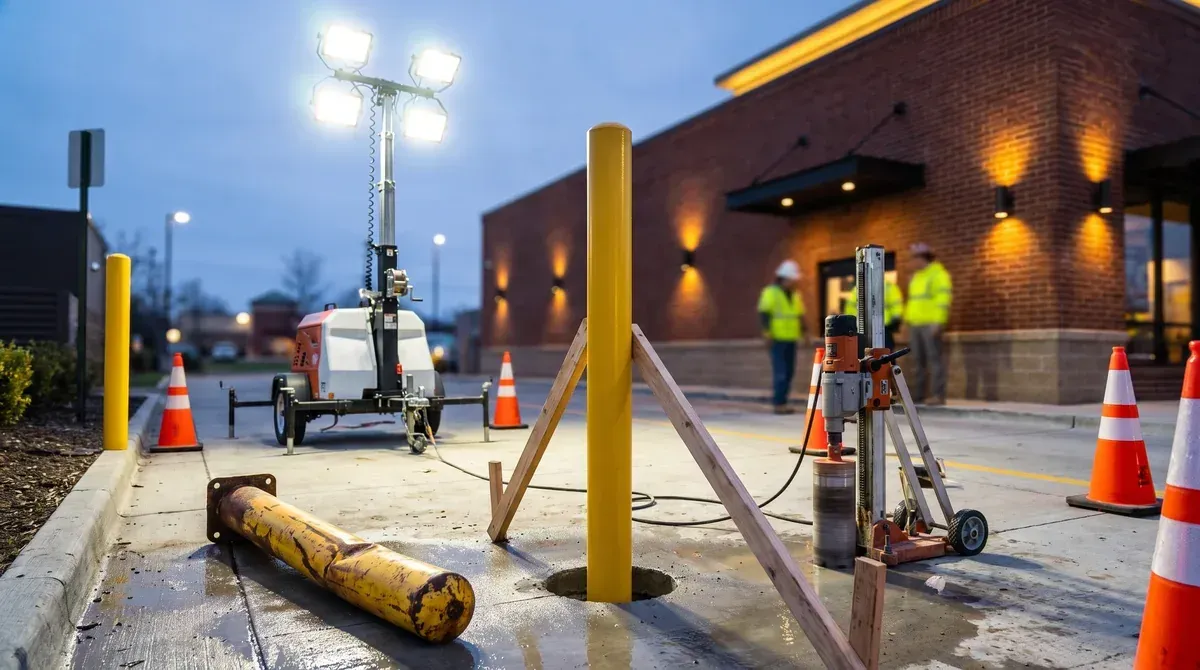
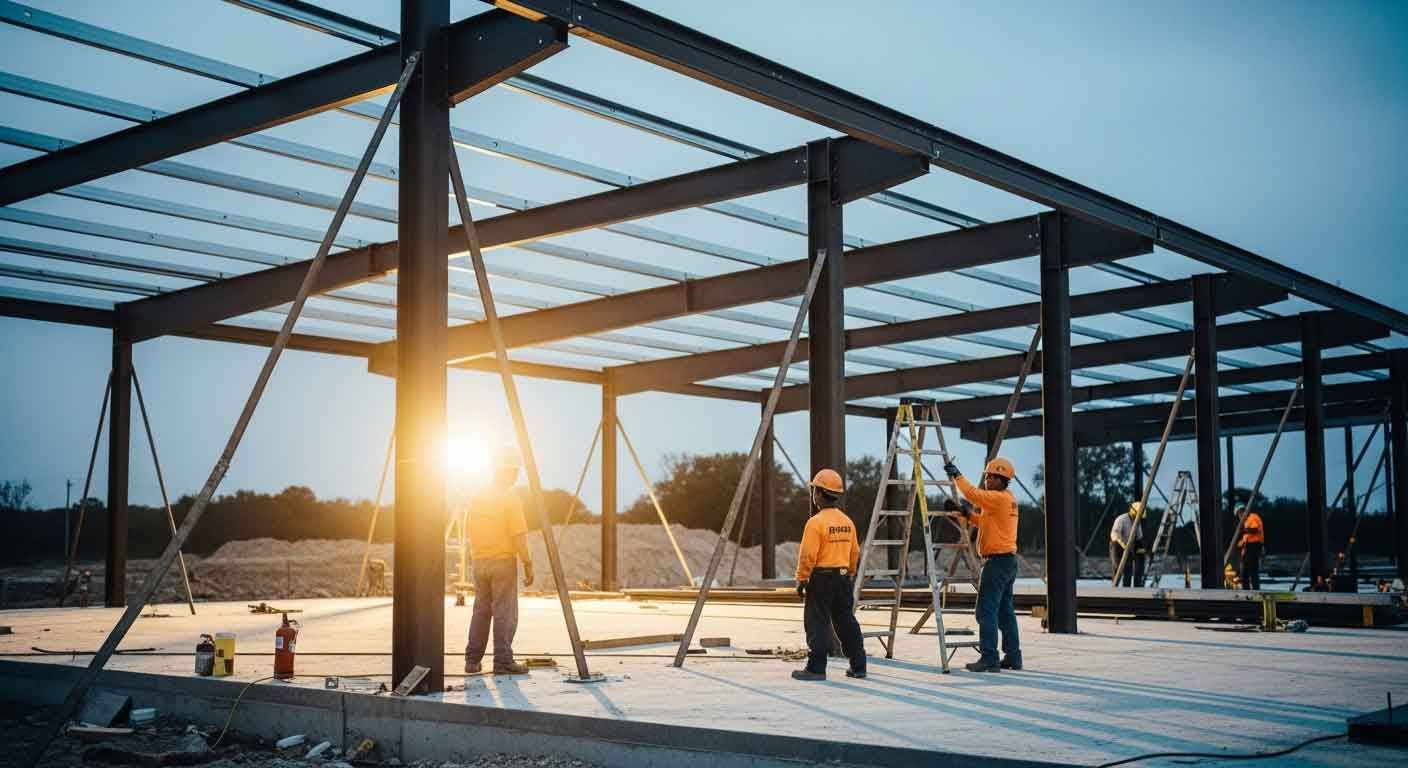
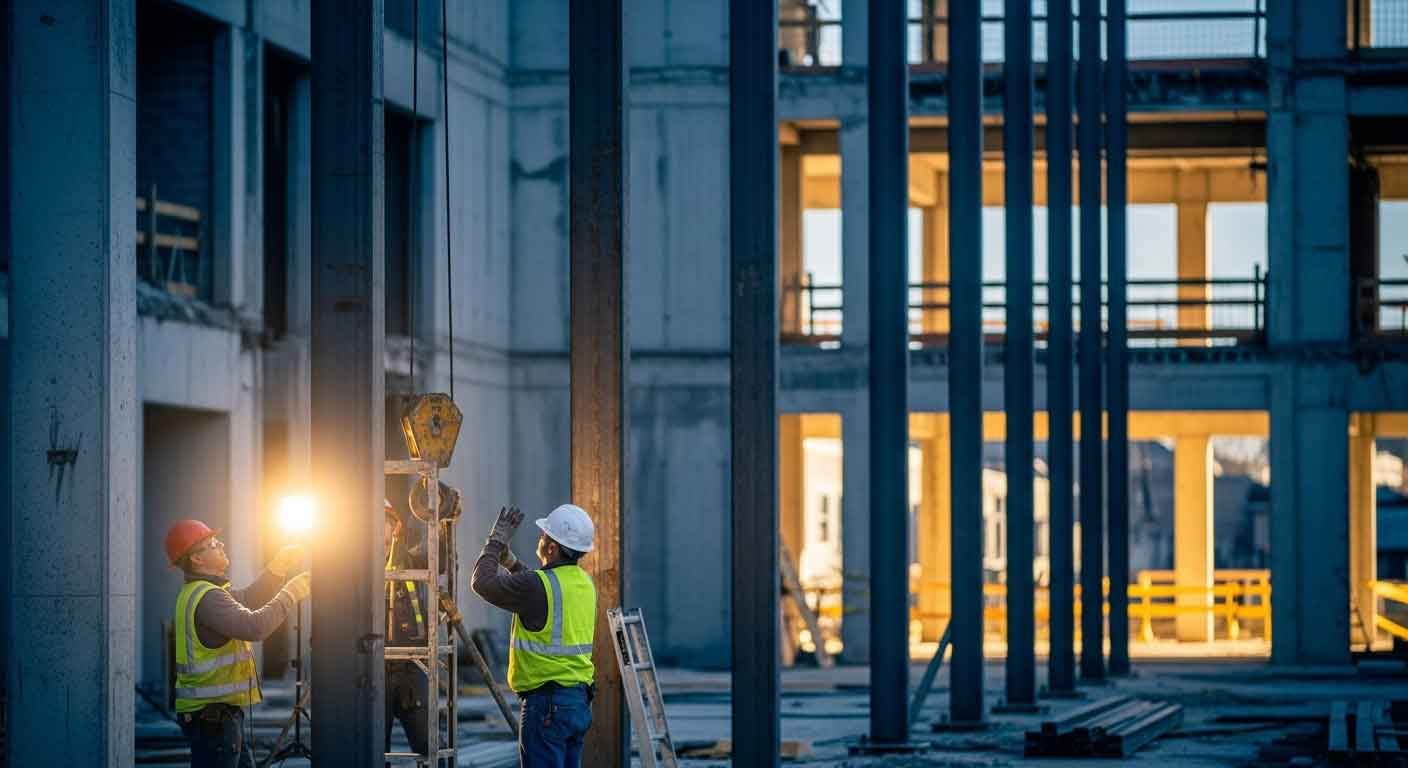
Exterior steel in Houston lives a hard life, and galvanized vs. painted steel is the first protection question on many jobs. Heat, humidity, heavy rain, standing water at the base of posts, and in some locations salt air or chemicals. Stairs, rails, canopies, lintels, gates and fences all rust from the places water sits: base plates, bottom rails, welded joints and the underside of anything flat.
The protection gets decided on the drawings, usually in a single line in the specs. Galvanizing and paint are the two main options, and both can be the right answer depending on the item, the exposure and the look the owner wants.
At A.G. Welding, we fabricate and install exterior structural steel and miscellaneous metals on commercial projects around Houston, so we deal with this decision on a lot of jobs.
What we've found over nearly 40 years of commercial steel work is that the coating question goes better when it's asked early, item by item, instead of with one blanket note at the end of the spec.
Galvanized vs. Painted Steel: How Each Protects
Hot-Dip Galvanizing
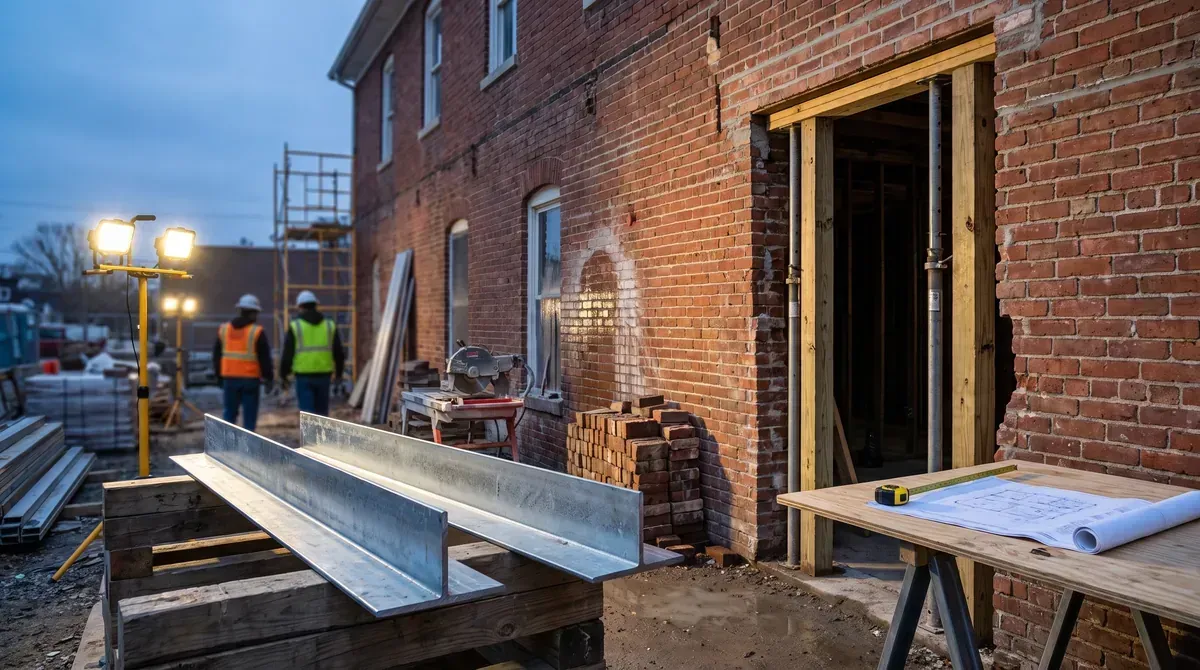
Hot-dip galvanizing dips the finished steel in molten zinc. The zinc bonds to the steel inside and out, including the inside of tubes and the corners a brush can't reach. If the coating gets scratched, the surrounding zinc still protects the bare spot, because zinc corrodes first. The common specification for fabricated steel is ASTM A123.
What it asks for:
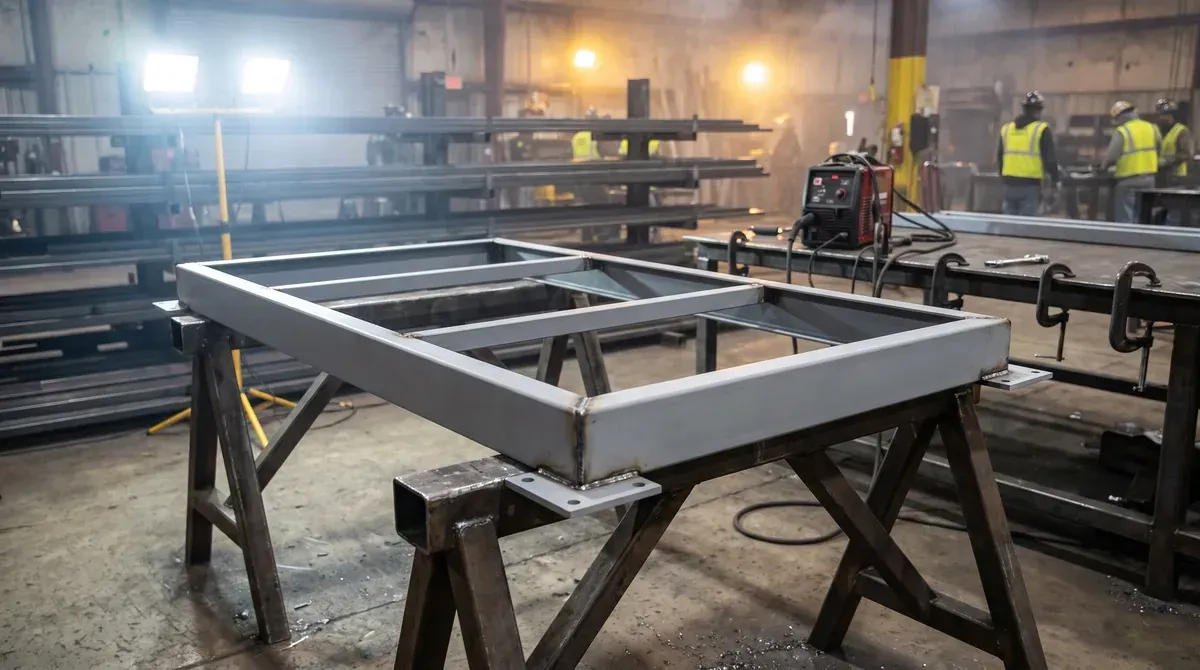
- Fabrication planned for the kettle. Hollow sections need vent and drain holes, and very large pieces may have to fit the galvanizer's kettle or be split.
- Field welds and cuts get touched up. Damaged or welded areas are repaired per ASTM A780, typically with zinc-rich paint or metallizing.
- A look. Galvanizing is a dull gray that weathers to a matte finish. Some owners like it. Others want color.
Paint Systems
Paint protects by sealing the steel off from air and water. A good exterior system starts with proper surface preparation, a primer suited to the topcoat, and a durable finish coat. Paint can be any color, and it's easy to touch up in the field.
What it asks for:
- Surface prep. The paint is only as good as the steel underneath it. Mill scale, oil and rust have to come off.
- Maintenance. Paint gets chipped, and a chip on exterior steel is where rust starts. Touch-up becomes part of owning it.
- Attention at edges and joints. Sharp edges, welds and crevices are where paint is thinnest and fails first.
Both: The Duplex System
Paint over galvanizing combines the two: zinc underneath for protection, paint on top for color and an extra barrier. It's common on exterior stairs, rails, gates and other miscellaneous metals that need to match the building. The catch is that painting galvanized steel needs its own surface preparation so the paint bonds to the zinc.
Matching the Coating to the Item
A rough guide we see work on Houston commercial projects:
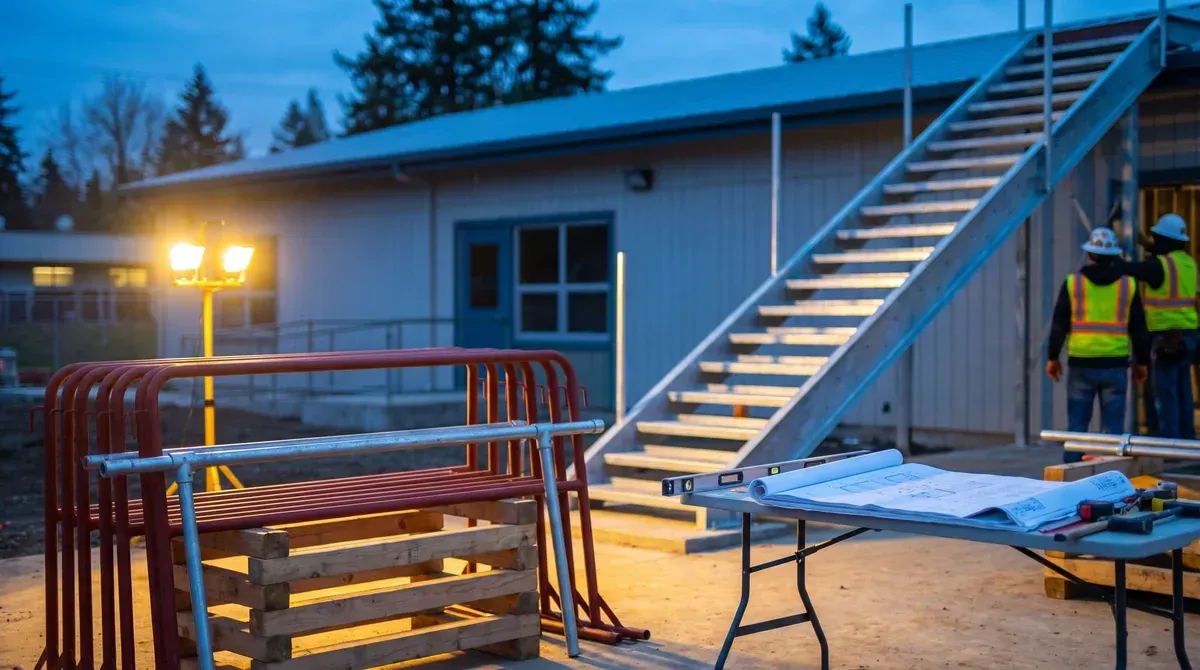
- Exterior stairs, landings and rails: galvanized, or galvanized and painted where color matters. These get foot traffic, water and wear.
- Lintels in exterior masonry: usually galvanized, or primed and painted per the masonry spec, since they're hard to reach once the brick is in.
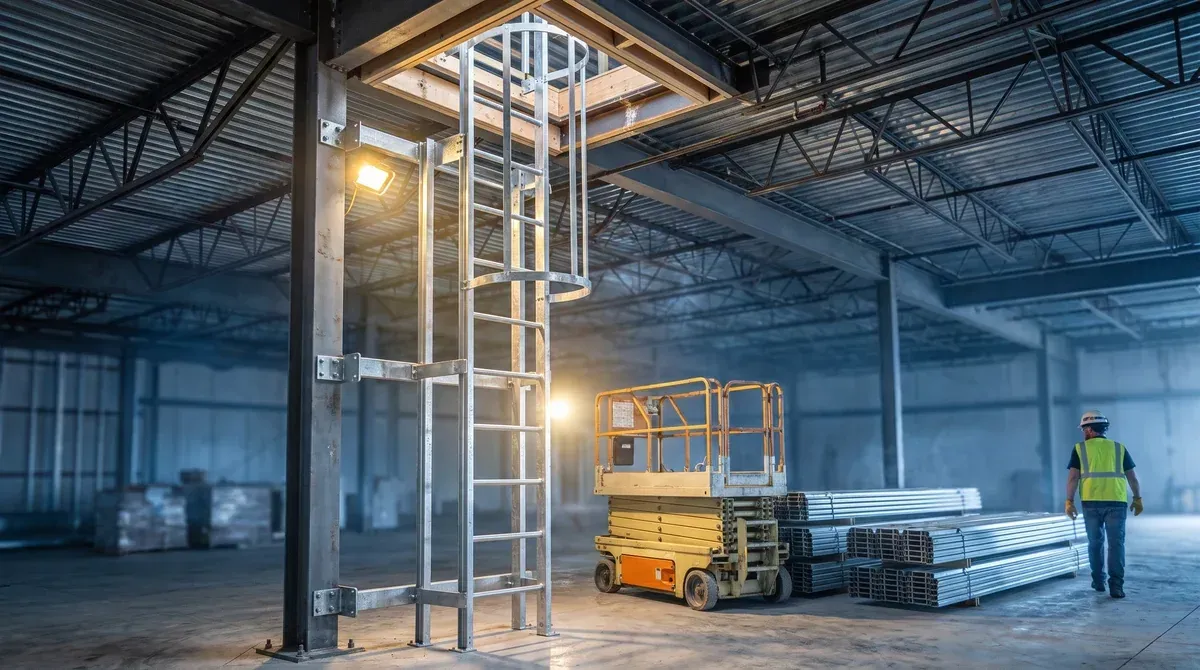
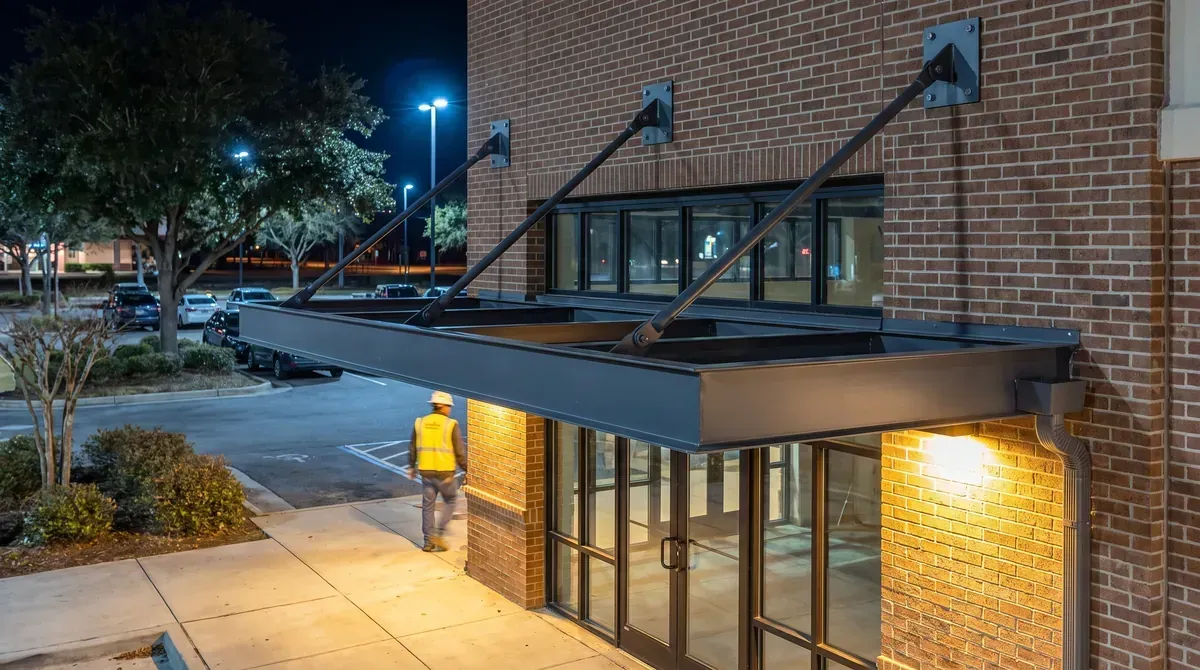
- Canopies and RTU supports: galvanized or a high-performance paint system, depending on visibility and access for maintenance.
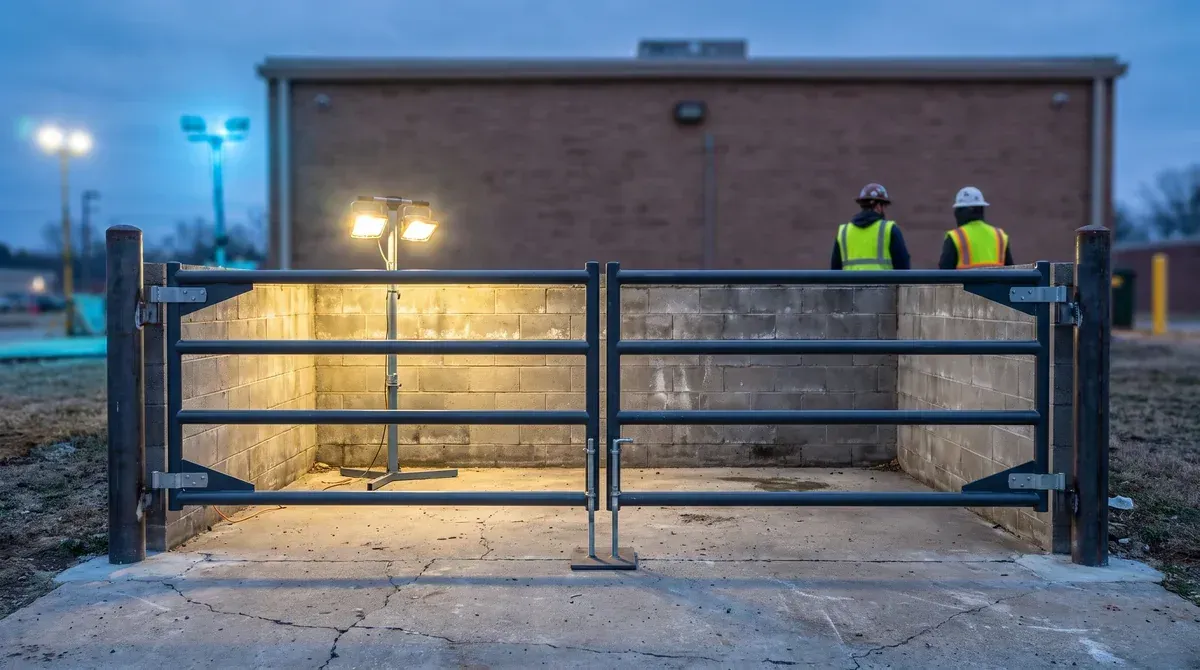
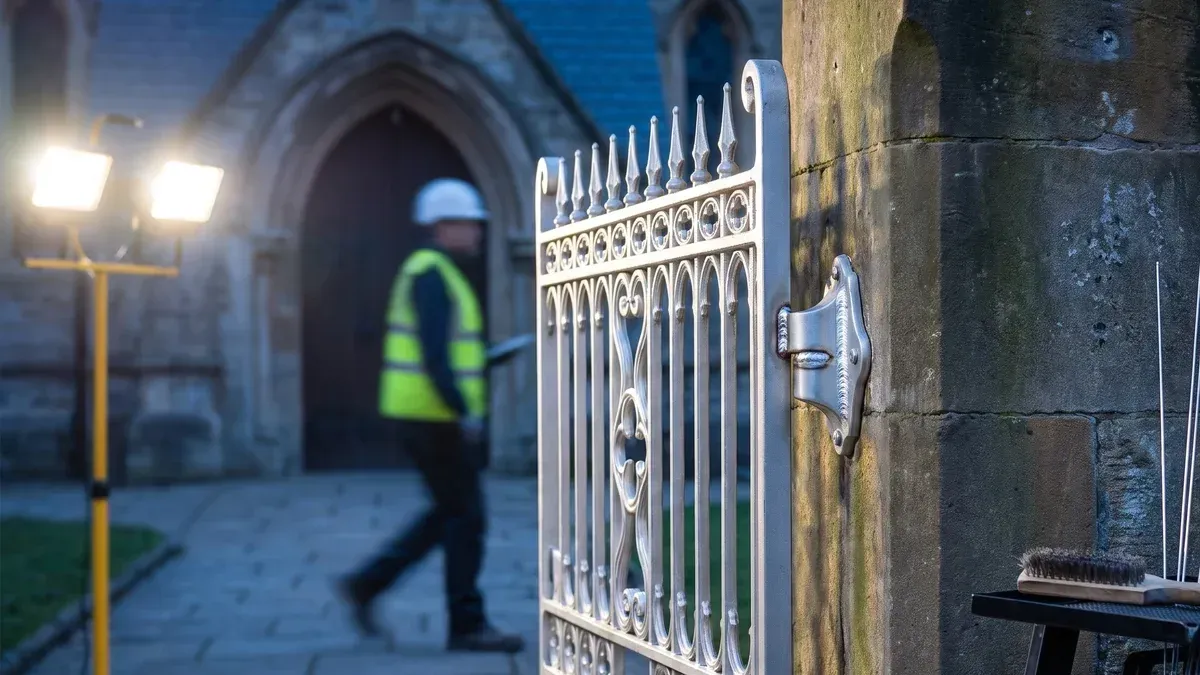
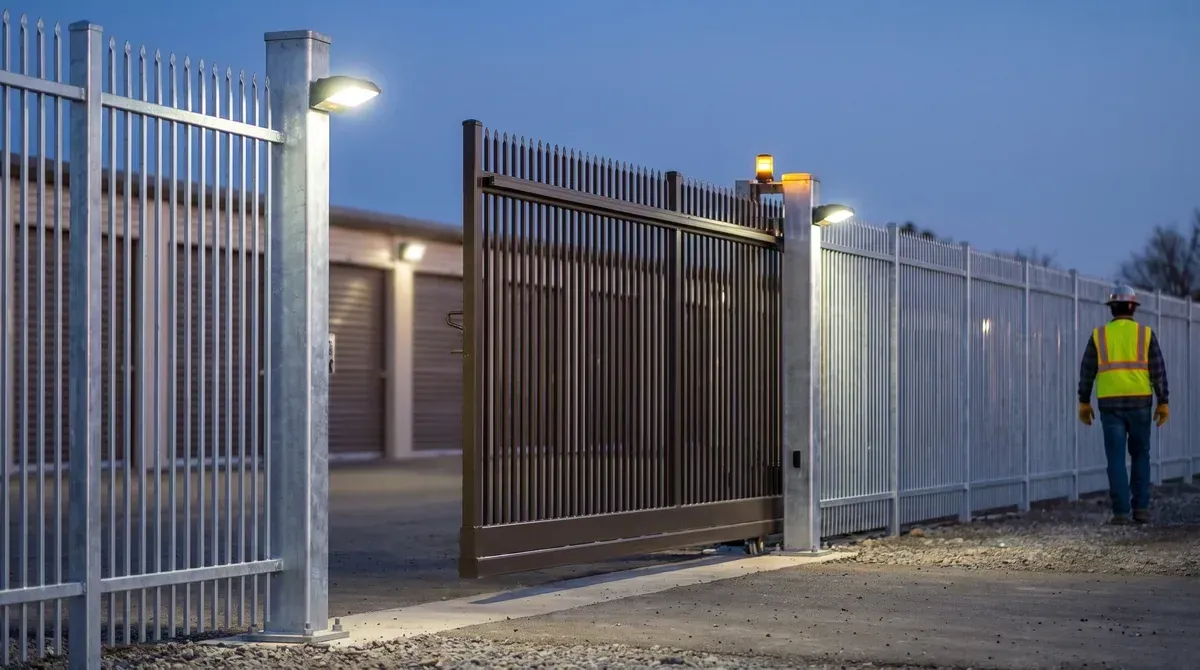
- Fences and gates: often galvanized with a painted or powder-coated finish over it where the fence needs to look good.
- Interior steel: usually shop primer and field paint, unless the space is wet.
Whatever the choice, the specs should say it per item, not with one general note. That avoids the field question nobody wants: "Was this supposed to be galvanized?"
Specifying It Right
Pick the coating with the exposure and the look in mind, call it out on the drawings by item, and plan the fabrication for it. Galvanized steel needs vent holes and kettle-sized pieces, and painted steel needs a real prep spec. Either way, deciding early keeps the steel from going back for a second trip.
How A.G. Welding Can Help
A.G. Welding fabricates and installs exterior structural and miscellaneous steel for commercial projects across the Houston area, galvanized, painted or both, to the project specifications.
Contact A.G. Welding to discuss coatings for your exterior steel by requesting a free estimate or calling us at (713) 988-4200.